




Europe is spending EUR 30 billion to build its own AI champions. The announcement comes as the EU attempts to reduce its dependence on American and Chinese companies that currently dominate the AI landscape. The investment targets compute infrastructure, AI research labs, and startup funding across member states.
Why Europe Is Making This Move
The EU’s AI industry has lagged behind the US and China on several fronts. European companies have fewer large-scale compute clusters, less venture capital available for AI startups, and brain drain to Silicon Valley remains a persistent problem. NVIDIA’s 2026 State of AI report found that 76% of large companies globally are actively using AI, but the majority of the infrastructure powering that adoption sits in American and Chinese data centers.
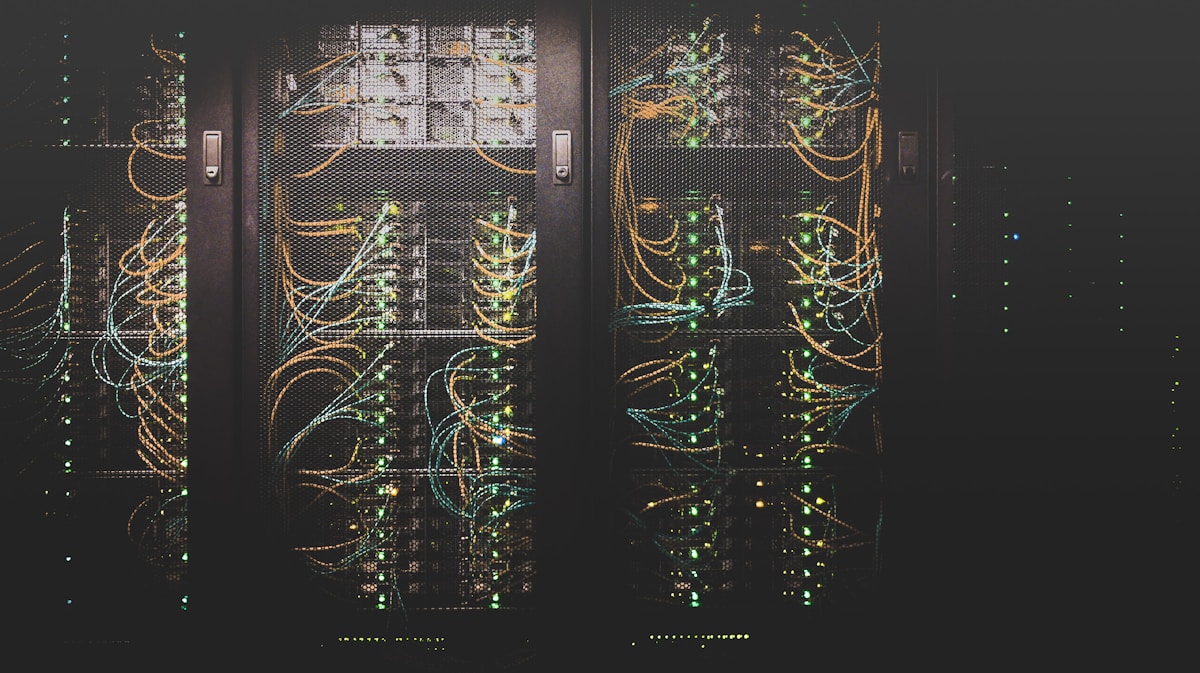
The EUR 30 billion commitment addresses the compute gap directly. A significant portion will fund sovereign AI compute capacity: GPU clusters hosted within EU borders that European companies can access without routing through American cloud providers. This is both a competitiveness play and a data sovereignty measure. Under GDPR, moving sensitive European data to US-based cloud infrastructure creates compliance headaches.
Where the Money Goes
The investment splits across three main areas. First, compute infrastructure: building and expanding GPU clusters at European data centers. Second, research and talent: funding AI research institutions and creating incentives to keep AI researchers in Europe. Third, startup support: venture-style funding for European AI companies building foundation models, applied AI tools, and AI-native products.
The startup component is particularly significant. Currently, the vast majority of AI venture capital flows to US companies. European AI startups struggle to raise Series A and B rounds at comparable valuations. The EU fund aims to close that gap by providing non-dilutive grants and matching funds for private investment.
The Competitive Landscape
The US still leads in AI model development, with OpenAI, Anthropic, Google DeepMind, and Meta producing the most capable foundation models. China has poured state resources into AI through companies like Baidu, Alibaba, and Tencent. Europe has strong AI research talent (DeepMind was founded by European researchers) but has struggled to translate that into commercial AI companies.
Mistral AI out of Paris is the most prominent European AI startup, having raised significant funding and released competitive open-weight models. But it remains a fraction of the size of its American counterparts. The EUR 30 billion investment could change that dynamic if the capital is deployed effectively.
The Skeptics
Critics argue that government spending alone cannot create AI champions. The US AI ecosystem thrives because of private sector dynamism, deep capital markets, and a culture that tolerates high-risk bets. Throwing EUR 30 billion at a problem doesn’t automatically produce the next OpenAI.
Others point to Europe’s track record with large technology initiatives. The EU has historically struggled to execute on ambitious tech plans due to bureaucratic complexity, fragmented national interests, and slow procurement processes. Whether this money reaches researchers and entrepreneurs efficiently, or gets absorbed by administrative overhead, remains an open question.
Frequently Asked Questions
How much is Europe investing in AI?
The European Union has committed EUR 30 billion to develop homegrown AI companies, build sovereign compute infrastructure, and fund AI research across member states.
Why is Europe investing in AI now?
Europe currently depends heavily on US and Chinese companies for AI infrastructure. The investment aims to close the compute gap, retain AI talent, and build competitive European AI companies.
What is sovereign AI compute?
Sovereign AI compute refers to GPU clusters and AI infrastructure hosted within a country’s borders, ensuring that sensitive data stays local and doesn’t need to be processed by foreign cloud providers.
Which European AI companies could benefit?
Mistral AI, based in Paris, is the most prominent European AI startup. Other beneficiaries include AI research institutions, cloud infrastructure providers, and startups across the EU working on foundation models and applied AI.
How does this compare to US AI investment?
US companies spend hundreds of billions annually on AI infrastructure and R&D. The EU’s EUR 30 billion is significant but smaller in absolute terms. The goal is to catalyze private investment rather than match US spending directly.
