



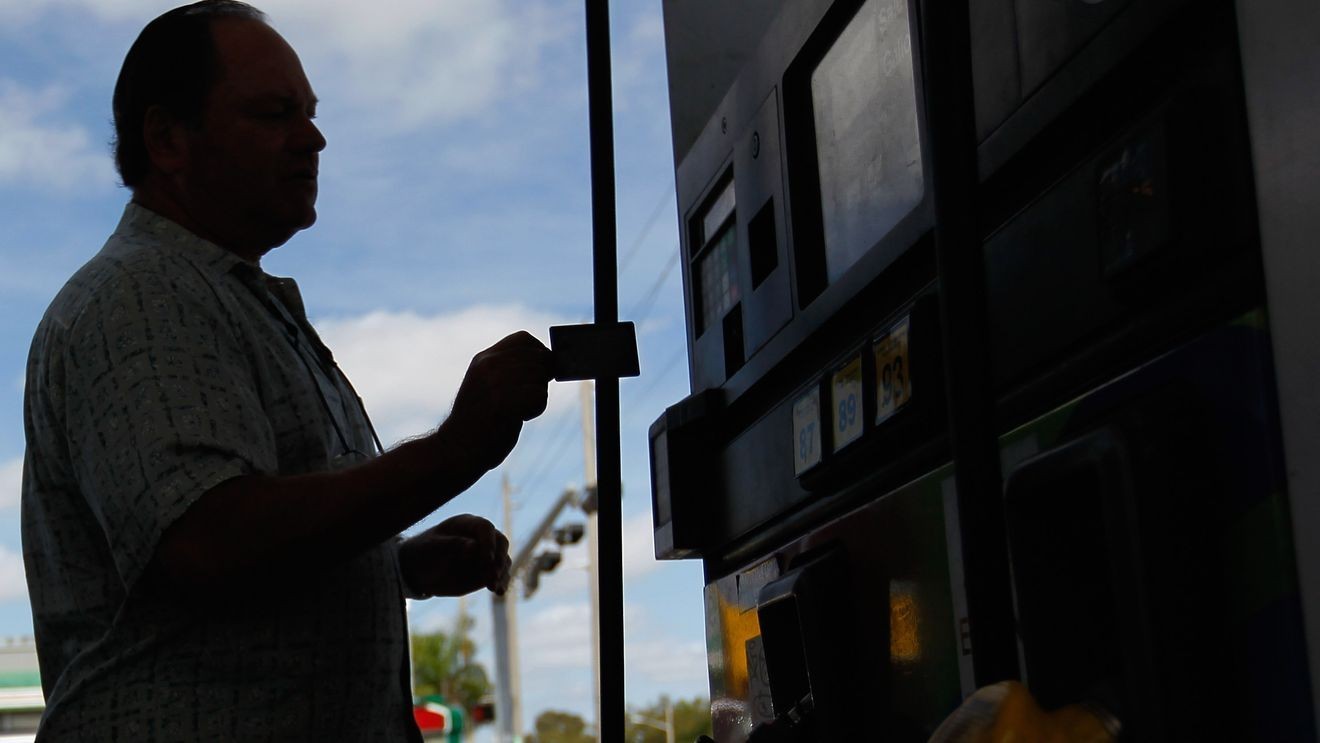
(TNND) — The Secret Service says its card skimming operations prevented the theft of more than $400 million last year, but one cybersecurity expert warned consumers to keep their guard up and offered some advice for keeping personal financial information safe.
The Secret Service said this week that it worked with federal, state and local law enforcement partners to inspect nearly 60,000 point-of-sale terminals, gas pumps and ATMs to uncover more than 400 illegal skimming devices in 2025.
The operations, which spanned cities from Los Angeles to New York, prevented an estimated potential loss of more than $428.1 million, the Secret Service said.
“Any type of proactive enforcement that prevents fraud and saves the American consumer money is a very positive thing,” said C. Jordan Howell, an assistant professor of criminology at the University of South Florida. “However, there are several other points of service that were not examined. So, I believe it is likely the tip of the iceberg.”
Criminals target credit and debit cards, but the Secret Service said they’ve also seen an increase in skimming targeting EBT cards meant to distribute funds from government assistance programs.
The cards aren’t physically stolen, but the card’s data is captured and then used for fraudulent purchases or sold to other criminals, Howell said.
Card skimming remains a real, ongoing risk, especially at unattended payment points like gas pumps, some ATMs, and kiosks, Howell said.
While chip cards have reduced certain types of fraud at staffed retail checkouts, criminals adapt by targeting places where consumers cannot easily see tampering.
Skimming might not be a frequent threat, but it’s hard to spot. And Howell said it can cause an expensive, disruptive and time-consuming mess to resolve.
“Technology is not hard to create. It’s not hard to install. It goes virtually unnoticed, and you’re still able to use the card. You’re still able to purchase whatever it is you’re looking to purchase at the convenience store,” Howell said. “And you won’t even know that you’ve been compromised until down the road when there are fraudulent transactions on your account.”
Skimming is just one part of the fraud ecosystem, along with things like social engineering to trick someone into exposing their sensitive information online or computer hacks of businesses that have your personal information in their records.
Howell said “good cyber hygiene” goes a long way in protecting yourself. Use multifactor authentication, ensure you have strong passwords, and don’t allow yourself to be “cross-referenceable.” That means avoiding the same usernames, passwords and PIN codes for multiple accounts.
With skimming, Howell offered some practical steps that can reduce risk significantly.
Use tap-to-pay or mobile wallets like Apple Pay or Google Pay when available, since these use tokenization to protect sensitive data.
Use the chip when tap is not available, and avoid swiping whenever possible.
At gas stations, choose pumps closest to the store entrance and under cameras.
Avoid terminals that look altered or feel loose, such as wiggling card readers, broken seals or mismatched parts.
Cover the keypad when entering a PIN to reduce the risk of hidden cameras.
Enable transaction alerts and review statements frequently.
When possible, use credit instead of debit to limit direct access to bank funds.