



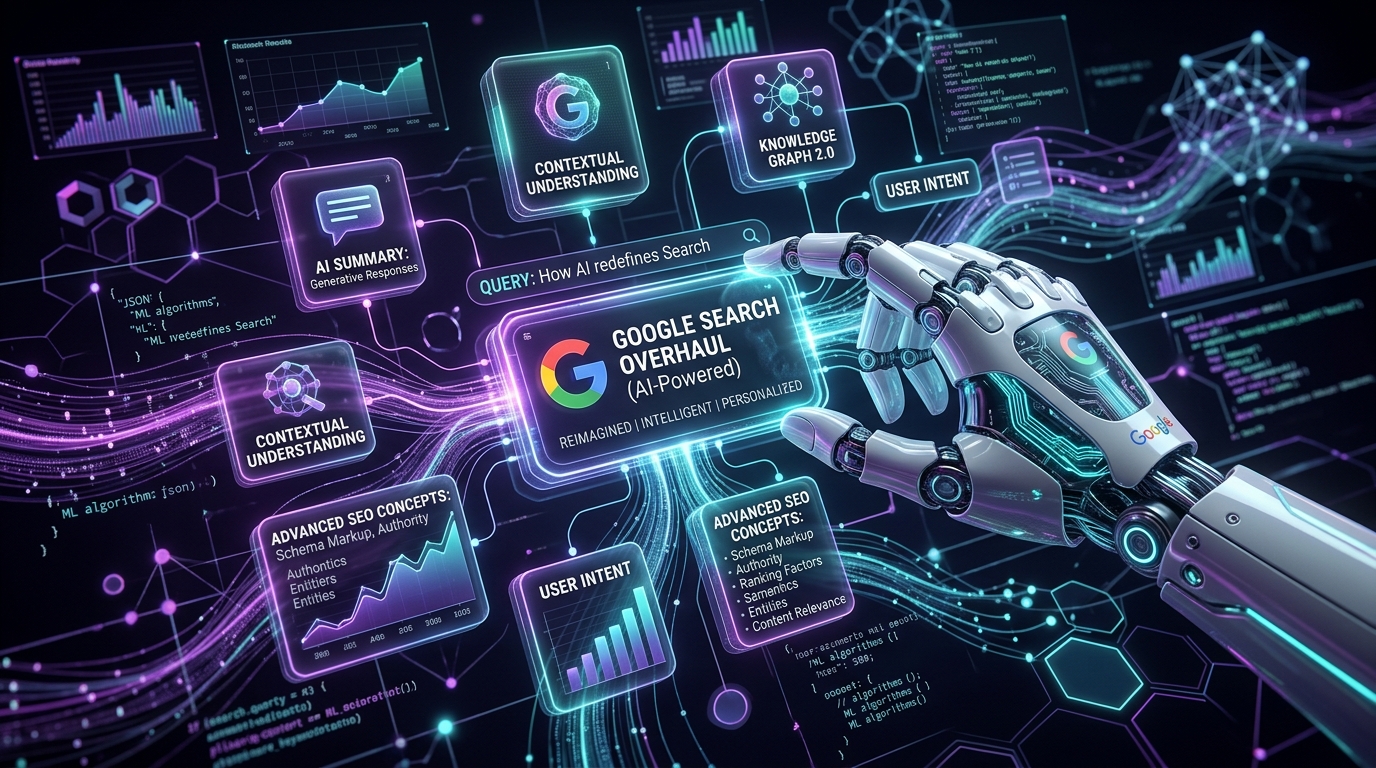

SEO in 2026 looks nothing like it did two years ago. Google’s AI overviews now appear on a growing share of search queries, AI search adoption has risen while trust in those results has fallen, and the old playbook of keyword stuffing and link building has lost most of its effectiveness.
What’s Changed in 2026
Google’s AI Overviews have reshaped the search results page. For informational queries, users often get their answer directly from Google’s AI summary without clicking through to any website. This has reduced organic click-through rates for many traditional informational queries.
AI search helpfulness scores fell from 82% to 54% in a year according to the 2026 Fractl study, even as usage continued to rise. Users are searching with AI more, but trusting the results less.
Google also clarified that Reddit gets no special preference in search rankings, despite widespread perception. This matters for digital marketers who have been shifting content strategies to focus on Reddit visibility.
What Actually Works Now
Topical authority over individual keywords: Google’s algorithms increasingly reward websites that demonstrate deep expertise across a topic cluster. Publishing 50 shallow articles on different keywords performs worse than 10 in-depth articles covering a topic comprehensively.
E-E-A-T remains critical: Experience, Expertise, Authoritativeness, and Trustworthiness continue to be ranking factors. Author bios, real credentials, and first-hand experience signals help pages rank in an era where AI-generated content floods every niche.
Entity-based optimization: Search engines are moving toward understanding entities (people, places, brands, concepts) rather than just keywords. Structured data, knowledge panel optimization, and consistent entity mentions across the web matter more than exact-match keyword targeting.
Real user experience: Core Web Vitals and page experience signals continue to influence rankings. But the bigger shift is toward content that actually satisfies user intent. If visitors bounce back to search results quickly, Google notices.
The Multichannel Shift
SEO in 2026 is no longer just about Google. YouTube, TikTok, Instagram, and AI chatbots all serve as search surfaces. Brands that optimize only for Google miss significant traffic from users searching on these platforms.
Content marketing, social media presence, and brand building across multiple channels feed back into organic search performance. Google increasingly surfaces content from brands it recognizes as authoritative across the web.
Practical Steps for Indian Businesses
Focus on creating genuinely useful content that demonstrates real expertise. If your business sells cameras, write guides based on actual shooting experience rather than AI-rephrased spec sheets.
Update existing content regularly with fresh data and examples. Google rewards freshness for time-sensitive topics, and updated articles signal ongoing maintenance and authority.
Build genuine relationships for backlinks through valuable content, industry contributions, and real expertise rather than link exchange schemes.
FAQ
Is SEO dead in 2026?
No, but it has changed significantly. Traditional keyword-focused SEO is less effective, but topical authority, E-E-A-T signals, and user experience optimization are more important than ever.
How do AI overviews affect organic traffic?
AI overviews reduce click-through rates for informational queries where users get answers directly from Google. Focus on queries with transactional or complex informational intent where users need to visit your site.
What is the most important SEO factor in 2026?
Topical authority and E-E-A-T signals. Google rewards websites that demonstrate genuine expertise and provide comprehensive coverage of their subject area.
Should I optimize for AI search engines?
Yes, but don’t abandon traditional SEO. Optimize for AI search surfaces like ChatGPT and Perplexity while maintaining strong fundamentals for Google organic traffic.
How often should I update content for SEO?
Update time-sensitive articles every 3-6 months with fresh data. For evergreen content, add new sections or examples annually to signal ongoing relevance.
