



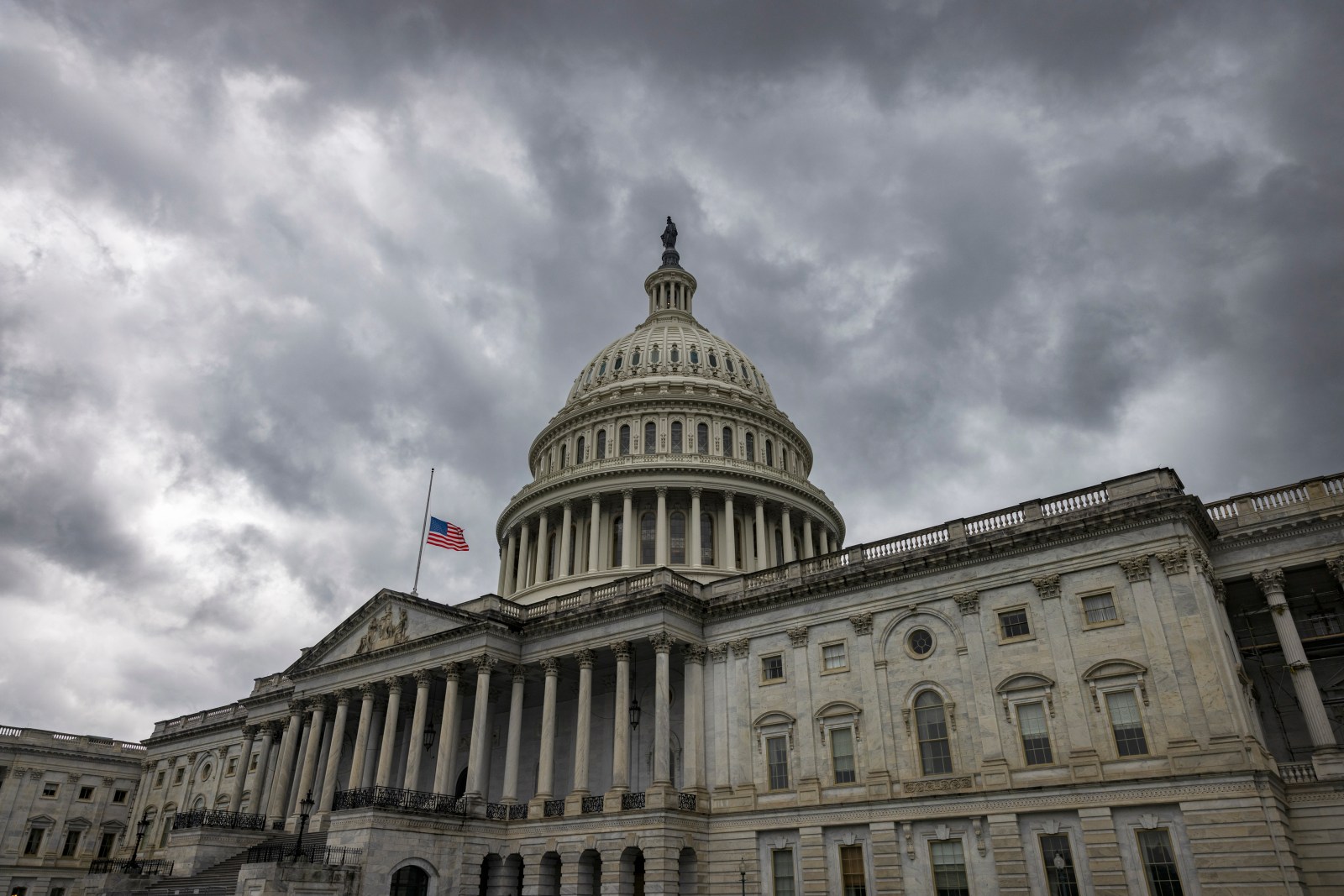
Buy a game for Rs 5,000 or $70, and most people assume they own it. Then the publisher announces that the servers are going offline, and the game stops working. That exact scenario is playing out with NBA 2K25 right now, and it is why a new video game ownership bill just landed in the US Congress.
The bill is called the Power To The Players Act, and it wants to change what “buying” a game actually means in the eyes of the law. Here is what the bill proposes, why game preservation suddenly has political backing, and what it could mean for the games in your library.

What Is the Power To The Players Act
Representative Ritchie Torres of New York’s 15th congressional district in the Bronx introduced the Power To The Players Act this week. The bill targets a simple problem: when you pay for a game, you are usually buying a licence to play it, not the game itself. The licence can be revoked, the servers can be switched off, and your purchase becomes worthless.
If the bill passes, it would direct the Federal Trade Commission (FTC) to write regulations that guarantee ownership of a game when a consumer pays for it. Not a licence. Not a subscription. Ownership. That means the right to keep playing, and in most readings of the proposal, the right to resell or transfer what you paid for.
Torres framed the issue in plain language while announcing the bill: a game that can be taken away the moment a company pulls the plug is not a purchase. It is a rental disguised as a sale.
Why Game Ownership Is Suddenly in the Spotlight
Server shutdowns have been a background complaint for years, but recent moves from big publishers pushed the issue into mainstream debate. A few things happened in quick succession:
- NBA 2K25 is being delisted from storefronts at the end of this month, and its servers shut down on December 31. After that date, large parts of the game become unplayable, even for people who bought it at full price.
- Sony announced plans to phase out physical game discs by 2028, which removes the one resale channel that never depended on a company’s servers.
- Player campaigns in Europe, most visibly the Stop Killing Games push, gathered millions of signatures and forced regulators to look at server shutdowns as a consumer rights problem.
Each of these events made the same point louder. When a game is tied to a server, your purchase has an expiry date that the publisher controls. Digital storefronts made the problem worse because there is no disc to sell when you are done, and no disc to keep when the store goes away.
What the Bill Would Actually Require
The Power To The Players Act has two core demands.
- Ownership over licensing. Paying for a game should mean you own it. The FTC would set the rules that make that guarantee real, instead of leaving it to whatever the end user licence agreement says on the day of purchase.
- An offline mode before shutdowns. Developers would have to provide an offline mode before they can shut down the servers that a game depends on. A game that needs a server connection to run cannot simply be abandoned in a broken state.
US states are moving in the same direction. Pennsylvania’s Protect Our Games Act, introduced by State Senator John Kane, takes an even more prescriptive route. When a title is being sunset, a company would have to offer one of three things: an offline gaming mode, an online mode that works independently of the company’s servers, or a minimum 25 percent refund of the purchase price.
Put the two proposals side by side and the trend is obvious. Lawmakers are done treating server shutdowns as a technical decision. They are starting to see them as taking back something the customer paid for.
What This Could Mean for Gamers
If ownership rules like these survive the lobbying and the committee process, a few practical things change.
- Games keep working after servers die. An offline mode requirement means a shutdown notice no longer turns your purchase into a paperweight.
- Resale and transfers become possible. Ownership is the legal foundation for selling or gifting a digital copy, the way PC gamers did with boxed games for decades.
- Publishers plan for the end from day one. If the rules are clear, studios build server-independent modes while the game is being developed, which is far cheaper than patching one in before a shutdown.
For Indian gamers the impact is real too. Console games cost serious money here, and when a title like NBA 2K25 loses its servers, buyers in India have no consumer court route that is worth the effort. A US ownership standard would put pressure on global storefront policies, since publishers rarely maintain different ownership terms per country.
Where the Bill Stands Now
Introduction is the easy part. The Power To The Players Act now has to survive committee hearings, industry lobbying, and the usual gridlock before it becomes law. Publishers argue that ownership guarantees would complicate live-service games, anti-cheat systems, and licensing deals with sports leagues and music labels.
Supporters have an answer for that. The bill does not ask companies to run servers forever. It asks them to leave the game playable when the servers stop. A one-time patch that removes server checks is far cheaper than the reputational damage of a shutdown announcement, and studios that plan for it from launch barely feel the cost.
Even if the federal bill stalls, the pressure does not disappear. State bills like Pennsylvania’s keep advancing, regulators in Europe are reviewing the same practices, and every high-profile shutdown adds fresh headlines. Publishers who solve preservation now get ahead of the rules instead of fighting them later.
Tips: What You Can Do While the Bill Is Still a Bill
- Check whether the games you buy need a server connection for basic play. Reviews and forums usually flag this within days of launch.
- Prefer storefronts and editions that keep single-player modes fully offline. On PC, DRM-free copies on platforms like GOG survive server shutdowns by design.
- Keep your receipts and purchase records. If refunds or compensation rules arrive later, proof of purchase is what gets you paid.
- Back up save files locally where the platform allows it. Cloud saves die with the cloud service.
- Support preservation efforts. Community projects that archive patches and offline play methods often become the only way to play abandoned titles.
FAQ
What is the Power To The Players Act?
It is a bill introduced by Representative Ritchie Torres that would direct the FTC to guarantee game buyers ownership of the games they pay for, rather than a revocable licence. It also requires an offline mode before a company can shut down a game’s servers.
Does the bill apply to games that are already out?
The text focuses on how games are sold and shut down going forward. Older titles with dead servers are unlikely to come back automatically, but the rules would pressure publishers to preserve titles they still sell.
Can game companies still shut down servers?
Yes. The bill does not ban shutdowns. It requires companies to leave the game playable in some form, usually through an offline mode, before they pull the servers down.
What happens if the bill does not pass?
State bills like Pennsylvania’s Protect Our Games Act keep the pressure on, and the EU review of server shutdowns continues. Even without federal law, publishers now know that shutdowns make headlines and invite regulation.
