



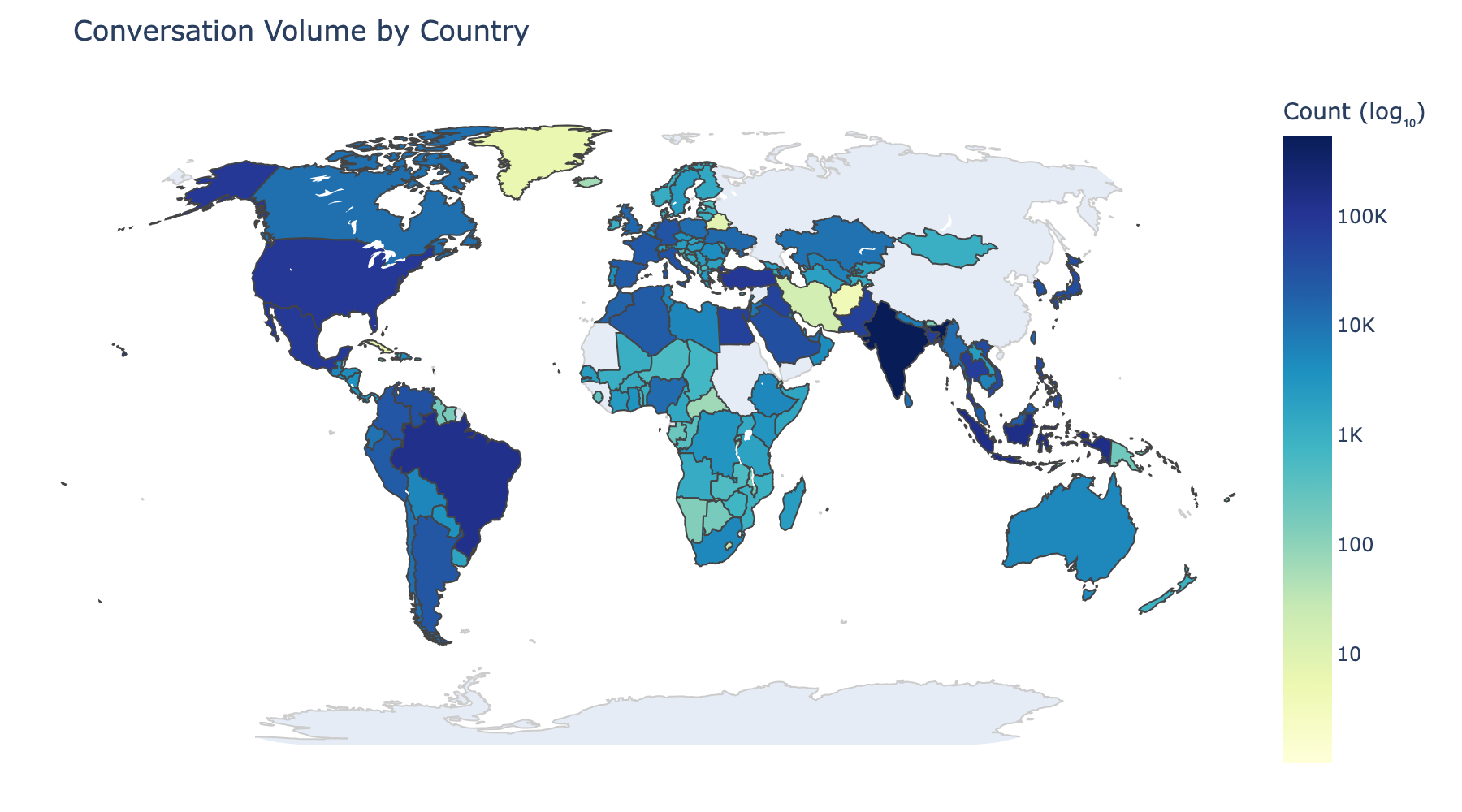
Google analysed 2.1 million Gemini Nano Banana conversations to answer a simple question: what do people actually do with AI image generation? The research, published as a privacy-preserving study, found five clear usage categories and some surprising patterns in how businesses use the tool. For marketers, it is the first hard look at how Nano Banana is being used beyond the viral posts you see on social feeds.
Here is what the study found and what it means for content and marketing teams.
How Google Studied Nano Banana Use Without Peeking at Images
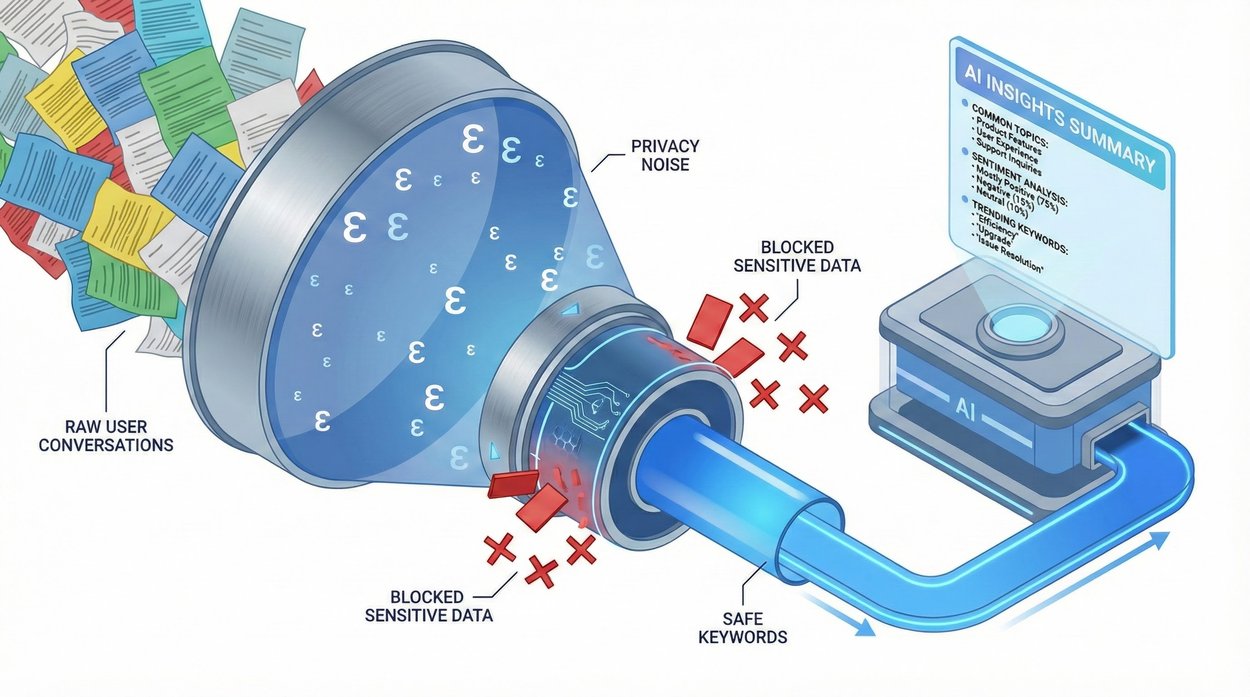
People upload sensitive images of themselves and their families to Nano Banana, so privacy was the first constraint. The researchers needed to understand usage without looking at the images themselves. Their solution: analyse the text prompts and conversation patterns instead of the uploaded or generated pictures.
The team used Urania, an existing Google framework for gaining insights from LLM chat interactions. By grouping conversations by what people asked for, in words, the researchers could map how the tool is being used while keeping image content out of the analysis entirely. The paper frames the goal plainly: beyond proactive self-reports on social media, there is limited data on how and why people use LLM image generation, and this is an attempt to fix that.
The Five Ways People Use Nano Banana
Across the 2.1 million conversations, five categories stood out:
- Social and Viral: trend-driven images, memes and personal edits made to be shared
- Brand and Marketing: visual assets for campaigns, social posts and brand work
- Product Visualisation and E-Commerce: product shots, mockups and catalogue-style images
- Architectural and Spatial Design: interiors, spaces and design exploration
- Educational and Technical Information: diagrams, explanations and learning material
The mix matters for marketers. Brand, marketing and e-commerce use is a large slice of real Nano Banana traffic, which is not obvious if your only reference point is the viral celebrity-style edits doing the rounds on Instagram and X.
What People Ask For: Five Feature Patterns
Within those categories, the researchers compared usage along five dimensions. These are the actual behaviours marketers can learn from.
Image editing features
Explicit requests to modify an existing image: removing objects or people, changing backgrounds, adding new elements, resizing or restoring images. This is bread-and-butter marketing work, the kind of retouching that used to sit in a designer’s queue for days.
Artistic styles
Requests for specific mediums like watercolour, pencil sketches, photography styles or oil paintings, plus mood prompts like minimalist, film noir or vintage. Some users ask for conceptual mashups that pair clashing styles. For brand teams, this is a pointer: your audience is fluent in style vocabulary, and precise style prompts are becoming a craft of their own.
Image composition features
Requests that control how the final image is framed and arranged, which is where product visualisation and advertising work concentrates.
Session interactions
Many sessions are iterative. Users refine an image over several turns instead of getting what they want in one prompt. Marketing workflows should plan for that loop, not treat AI image generation as a one-click button.
Multi-select features
Users work with multiple images or versions in one session, comparing and combining. That behaviour fits e-commerce especially well, where generating variations of a product shot is the norm.
What This Means for Digital Marketing Teams
- Audit your visual workflow now. If product visualisation and brand work are already moving to Nano Banana-style tools, the question is not whether to adopt but how to keep quality control. Review tool-generated images before they go live like you would any freelance work.
- Write better style prompts. The study shows people get specific with mediums and moods. Build a prompt library for your brand’s visual language so output stays on-brand across campaigns.
- Budget for iteration. Sessions show people refining over multiple turns. Plan production time for that loop instead of expecting one prompt to nail it.
- Watch the e-commerce angle. Product mockups and catalogue visuals are a top use case. Small sellers can now produce product photography without a studio, which changes the competitive floor for everyone.
- Keep an eye on authenticity. With editing requests this common, labels and disclosure around AI-touched marketing images will keep tightening, especially under the EU’s new digital fairness rules that force disclosure of paid and generated content.
How to Write Prompts Based on the Study
The feature patterns give a practical lesson: vague prompts get vague images. Here is how to apply the research to your own brand work.
- Name the medium and mood the way the study’s top users do. Instead of asking for a nice product image, ask for a clean studio photograph with soft light and a minimalist backdrop
- Use editing prompts for cleanup work. Removing stray objects, swapping backgrounds and restoring old brand assets are the most common edits for a reason, and they work well
- Keep a session going until the image is right. The study shows most quality output comes from refinement passes, not the first generation
- Generate variations deliberately. The multi-select pattern is your cue to ask for three takes on the same visual and pick the one that fits the campaign
The Open Question Google Admits
The researchers acknowledge that it remains unclear whether AI image generation is enabling entirely new activities or simply making existing ones less expensive. That is the honest read. A catalogue shoot that took a week now takes an afternoon, but whether brands are doing new things with the time saved is still being figured out. Google expects more use cases to emerge as people keep experimenting.
Frequently Asked Questions
What is Nano Banana?
Nano Banana is Google’s AI image generation and editing tool inside Gemini. It became widely popular for image edits and viral trends, and a new Google research paper now maps how people use it across social, marketing, e-commerce, design and education.
How did Google study Nano Banana usage without seeing user images?
The researchers analysed 2.1 million conversation prompts using Google’s Urania framework, which extracts insights from text patterns in LLM chats. The uploaded and generated images were never part of the analysis.
What do businesses use AI image generation for?
The study found brand and marketing work, product visualisation and e-commerce among the top five Nano Banana usage categories, alongside social and viral content, architectural design, and educational material.
What is the most common AI image editing request?
Classic edits dominate: removing objects or people, changing backgrounds, adding elements and restoring or resizing images, followed by stylistic requests like watercolour, film noir or minimalist looks.
