



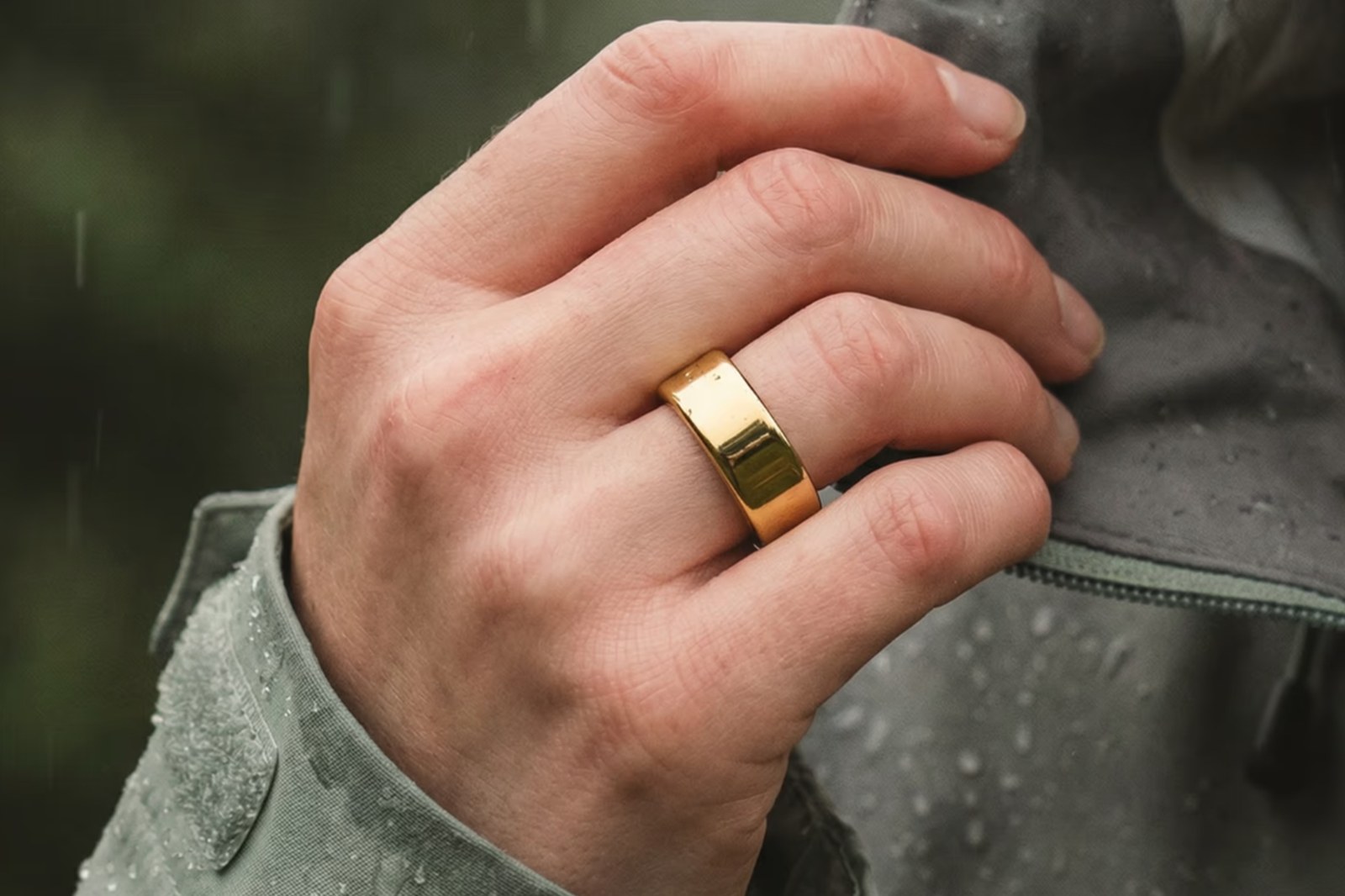
Smart ring maker Oura has sued Indian rival Ultrahuman again. The new complaint, filed on 22 October 2026 in a federal court in Texas, seeks to block US sales of the Ultrahuman Ring Pro just months after the redesign helped the Bengaluru-based startup return to the American market. Here is what the lawsuit claims and what it means if you are buying a smart ring.
What the New Lawsuit Claims
According to the complaint covered by TechCrunch, Oura alleges that Ultrahuman’s Ring Pro infringes two of its patents covering the ring’s design and internal components, including its battery and sensors. Oura is seeking monetary damages and a permanent injunction that would stop Ultrahuman from selling the ring in the United States.
The two patents at the centre of the case cover both the outside and the inside of the product. Design patents protect how the ring looks, while the component patents cover the internals that make it work: the battery arrangement and the sensor stack that tracks sleep, heart rate and temperature. If Oura wins an injunction, the Ring Pro could be pulled from US shelves even while litigation continues.
The Long-Running Patent Fight
This is not an isolated case. Oura has built a pattern of patent disputes against competing smart-ring makers:
- Ultrahuman: Oura previously won a patent infringement ruling from the US International Trade Commission against Ultrahuman’s earlier Ring Air. An import ban took effect on that product.
- Samsung: Oura has also brought patent claims against Samsung’s Galaxy Ring line.
- RingConn: the budget smart-ring maker has faced Oura litigation too.
The strategy is clear. Oura holds foundational patents on smart-ring hardware and uses them to protect its position as more competitors enter a category it helped create. Every new entrant, from a Bengaluru startup to a Samsung-sized giant, has faced the same legal playbook.
Why the Ring Pro Matters to Ultrahuman
The Ring Pro is central to Ultrahuman’s comeback in the US. The redesigned ring launched in February 2026 and received a favourable ruling from US Customs and Border Protection in March, which paved the way for the startup’s return to the American market after the Ring Air import ban.
That timeline makes the new lawsuit a direct threat. Ultrahuman spent the redesign and customs process earning its way back into US retail. A permanent injunction, if granted, would undo that work and cut off one of the company’s most valuable markets.
Ultrahuman has not filed its public response to the complaint yet. In past disputes, the company has defended its designs as original work and pushed back on Oura’s patent claims. The Texas court case will likely run for months before any ruling on an injunction.
The Smart Ring Market Right Now
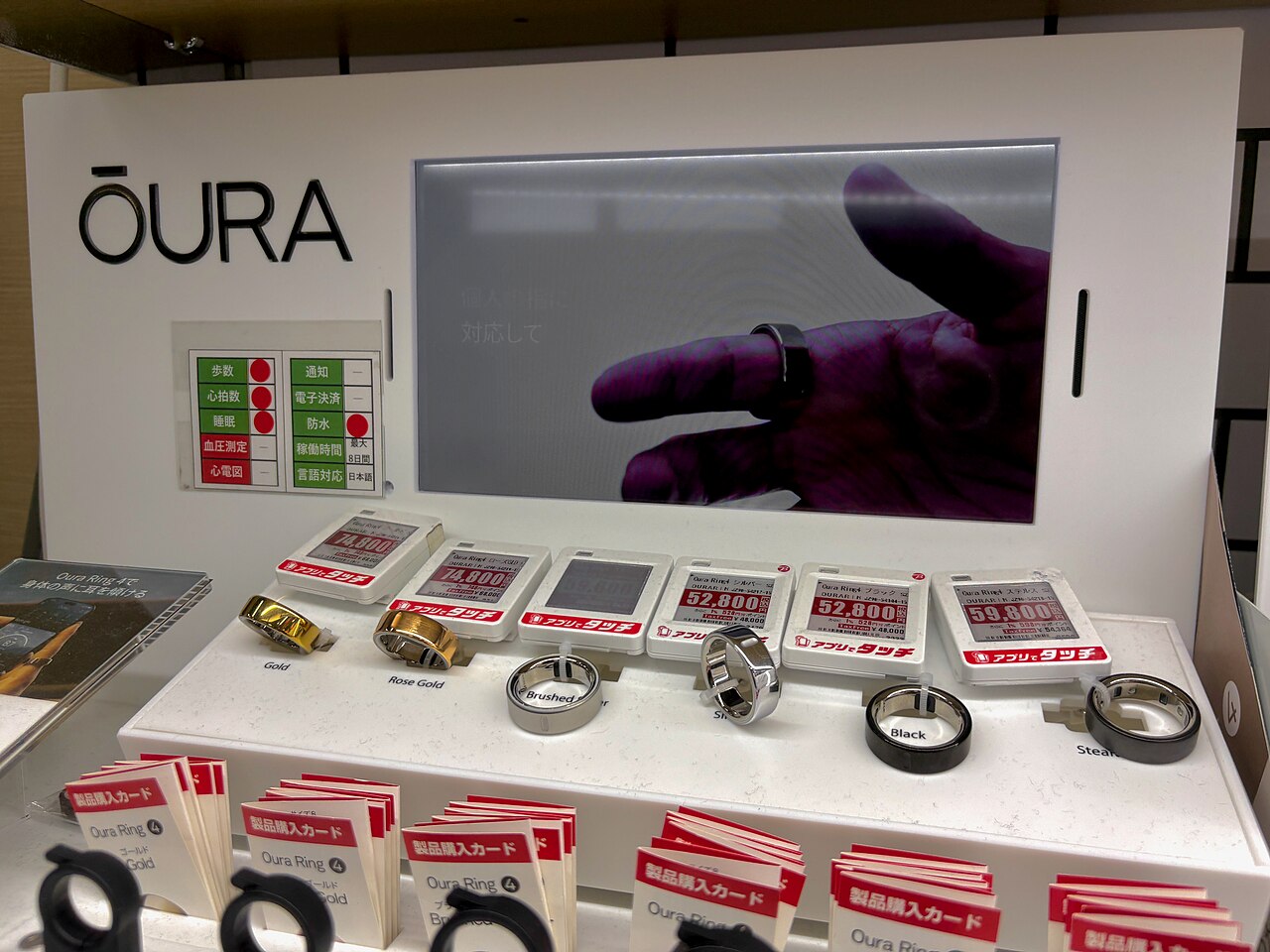
Smart rings went from novelty to real product category in barely three years, and the legal fights are a symptom of how crowded the space has become. Oura built the market with its sleep-tracking rings and a subscription that adds full insights on top of the hardware. Then the challengers arrived: Samsung with the Galaxy Ring, Ultrahuman from Bengaluru, RingConn on price, and a line of smaller brands behind them.
For buyers, the competition has been good. Sensor accuracy across the board is far better than the first generation, battery life commonly reaches a week, and prices have come down from the early premium. For the companies, though, the category is a patent thicket. Oura’s filings against Samsung, RingConn and now Ultrahuman again show how the incumbents plan to defend the head start they built.
Ultrahuman’s situation is the most exposed because its US business already survived one import ban. The Ring Pro redesign was engineered to work around the earlier ruling and US Customs accepted it in March. This lawsuit attacks the redesign itself, targeting the battery and sensor internals, which is where a smart ring’s engineering value actually sits.
Timeline: How the Dispute Got Here
- Earlier: Oura wins a patent infringement ruling from the US International Trade Commission against the Ultrahuman Ring Air. An import ban takes effect on that product.
- February 2026: Ultrahuman launches the redesigned Ring Pro.
- March 2026: US Customs and Border Protection issues a favourable ruling on the redesign, clearing Ultrahuman’s return to the US market.
- 22 October 2026: Oura files the new complaint in federal court in Texas against the Ring Pro, seeking damages and a permanent injunction.
The pattern matters as much as the filing. Ultrahuman cleared the customs hurdle, and Oura’s response was a fresh patent case aimed at the redesigned internals. Expect the Ring Pro’s battery and sensor design to be examined in forensic detail as the case proceeds.
What This Means If You Are Buying a Smart Ring in India
Indian buyers are in a different position from American ones. The lawsuit targets US sales, so the Ring Pro remains available in India while the case runs. Still, a few practical points are worth keeping in mind.
- Warranty and support depend on the company’s health in each market. If US sales get blocked, Ultrahuman’s service budgets could feel the pressure even in markets where sales continue.
- Feature updates travel across regions. A ring sold in India runs the same firmware pipeline as the US model, so prolonged legal distraction can slow software updates everywhere.
- Compare before you buy. The smart-ring market now includes Oura, Ultrahuman, Samsung’s Galaxy Ring, RingConn and others, and the competition is good for Indian buyers. Prices in the segment have been falling as new entrants push in.
- Check the sensor claims. Battery life and sensor accuracy are where these patents focus, and they are also what separates a good ring from a weak one. Read independent reviews before spending Rs 20,000 or more.
Tips for Smart Ring Buyers
- Buy from sellers with a clear return policy. If a product line gets hit with an import ruling, you want an easy exit.
- Look at the subscription cost, not just the hardware price. Ring makers charge monthly for full sleep and readiness insights.
- Match the ring to your phone ecosystem. Some features work better with certain phone apps, especially for women’s health tracking.
- Keep the firmware updated. Sensor accuracy improves over time with software, and patent disputes rarely change what happens on your finger.
FAQ
Why did Oura sue Ultrahuman again?
Oura filed a complaint in a Texas federal court on 22 October 2026 alleging the Ultrahuman Ring Pro infringes two patents covering ring design and internal components like the battery and sensors. Oura is seeking damages and a permanent injunction against US sales.
Is the Ultrahuman Ring Pro still available in India?
Yes. The lawsuit targets US sales. The Ring Pro remains available in India while the case proceeds in the US courts.
What happened with the Ultrahuman Ring Air?
The earlier Ring Air faced a US import ban after Oura won a patent infringement ruling from the International Trade Commission. The redesigned Ring Pro got a favourable ruling from US Customs in March 2026 that allowed Ultrahuman to return to the US market.
Which other smart-ring companies has Oura sued?
Oura has brought patent disputes against Samsung and RingConn in addition to Ultrahuman. The company holds foundational smart-ring patents and enforces them widely across the category.
