



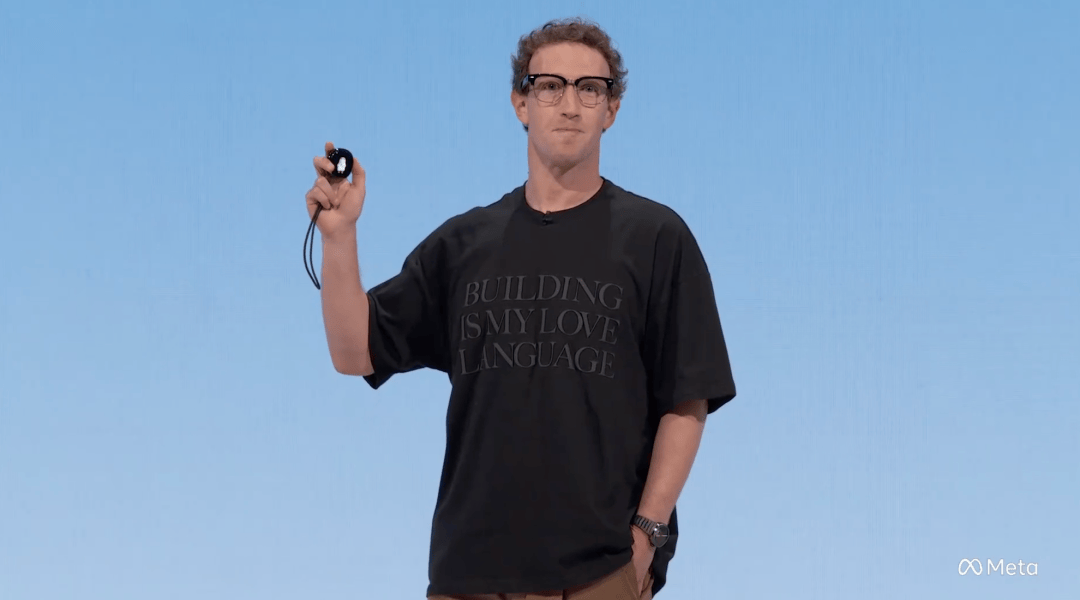
AI hardware has a graveyard problem. Humane’s Ai Pin died, Rabbit’s R1 became a punchline, and yet Meta is reportedly about to charge $300 for a small device called Muse Charm that you clip to your pocket or wear around your neck. According to The Information, the Tamagotchi-like gadget will be a physical personification of Meta’s Muse AI assistant, and it is the company’s biggest bet yet that people want their AI to have a body. Here is what Muse Charm is expected to do, what it may cost, and the privacy questions already swirling around it.
What Is the Meta Muse Charm?
Muse Charm is Meta’s first dedicated AI wearable tied to Muse, the agentic assistant the company launched earlier in 2026. Muse itself arrived with animated avatars and a friendly personality layer, and Meta has been pushing it hard as its consumer AI play since September.
The Charm is the hardware version of that idea. Based on what was teased at Meta’s Connect event and the reporting so far, it is designed to:
- Be carried in a pocket or worn around the neck as a small, always-with-you device.
- Let you talk to Muse directly, ask questions and give commands without pulling out your phone.
- Give the assistant a physical form factor, so the AI “lives” somewhere in the real world rather than inside an app.
Meta has not shown final hardware or listed full specifications. What we know comes from The Information’s reporting and Meta’s Connect teaser, where Mark Zuckerberg showed off the concept alongside the wider Muse push.
Meta Muse Charm Price: $300, but Nothing Is Official
The Information reported that Meta plans to charge $300 (roughly Rs 26,000) for Muse Charm. When TechCrunch asked for comment, a Meta spokesperson did not deny the figure, saying only: “We’re charmed by the interest in our AI devices, and we’ll have more to share soon.”
That price would put the Charm well above a typical accessory but below a flagship phone. The obvious question is what the subscription model looks like. Most AI hardware bundles a service fee with the device, and Meta has not said whether Muse Charm will require a paid Muse plan, work with the free tier, or ship with a bundled data subscription. In India especially, pricing will be announced locally, and import duties usually push US prices higher than a straight currency conversion.
Why Meta Is Making AI Hardware Now
The software side is going reasonably well for Meta. Muse has been one of the more successful consumer AI launches of the year, and the cute-avatar angle gave it a personality that ChatGPT and Gemini do not lean on. Meta’s bet is that personality plus presence beats raw capability for everyday users.
There is also a strategic layer. The AI agent race is crowded: OpenAI has Dots, Anthropic has Duet, Google has its Tasks and Spark products, and Apple has reportedly started hiring for its own agentic assistant. Every one of those companies wants to be the interface people talk to. A dedicated device that sits on your body is Meta’s attempt to own that interface before someone else does.
The counter-argument is the hardware curse. AI wearables have had a rough run. Humane’s Ai Pin was discontinued and its assets sold to HP for $116 million in 2025 after poor sales. The lesson so far: people will try AI gadgets, but very few will pay $300 for something their phone already does.

Privacy Questions Already Being Asked
The timing of the Charm report is awkward. On the same day the pricing story broke, a separate report claimed that Meta’s Muse agent has been mixing up conversations between users and could be exposing private data. TechCrunch covered the report on 19 November, and Meta has not publicly detailed a fix.
For a device that will live on your body and listen for commands, those reports matter more than the price tag. Before buying any AI wearable, and the Charm included once it launches, you should know:
- When the microphone is active. Look for a hardware mute control and a clear recording indicator, not just a software toggle.
- Where your voice goes. On-device processing is the privacy-friendly path; anything sent to the cloud should be covered by a readable policy.
- How conversations are separated. The Muse mix-up report is exactly the failure mode a wearable makes worse.
- What happens to data when you stop using it. Deletion should be real deletion.
Should You Buy an AI Wearable Like Muse Charm?
Practical take for anyone eyeing the device when it lands:
- Wait for the second wave of reviews. First-week reviews of AI hardware rarely reveal the real battery and reliability story.
- Check the subscription terms before the return window closes. A $300 device with a monthly fee changes the maths quickly.
- Ask what it does that your phone cannot. If the honest answer is “nothing, it is just closer”, the novelty may wear off in a month.
- Treat privacy claims as testable. Turn off cloud sync and see what stops working. That tells you how much of the experience depends on your data leaving the device.
- Remember resale value. Dead AI hardware tends to lose value fast. Buy it for what it does today, not for promised updates.
Frequently Asked Questions
How much will the Meta Muse Charm cost?
The Information reports a $300 price (around Rs 26,000 before local taxes), and Meta did not deny the figure when asked. Official pricing, including India pricing, will be announced at launch.
What does the Meta Muse Charm do?
It is a small wearable, pocket clip or neck-worn, that gives Meta’s Muse AI assistant a physical form. You can talk to it, ask questions and give commands without taking out your phone. Final specifications are not announced yet.
When does the Muse Charm release?
Meta has only said it will “have more to share soon”. The device was teased at Meta’s Connect event earlier this year, and reports point to a launch in the coming months, but no date is confirmed.
Is the Muse Charm safe for privacy?
That is the open question. A recent report claimed Muse has mixed up conversations between users, which matters for an always-near-you device. Check for hardware mute controls, on-device processing and clear data deletion policies before buying.
