



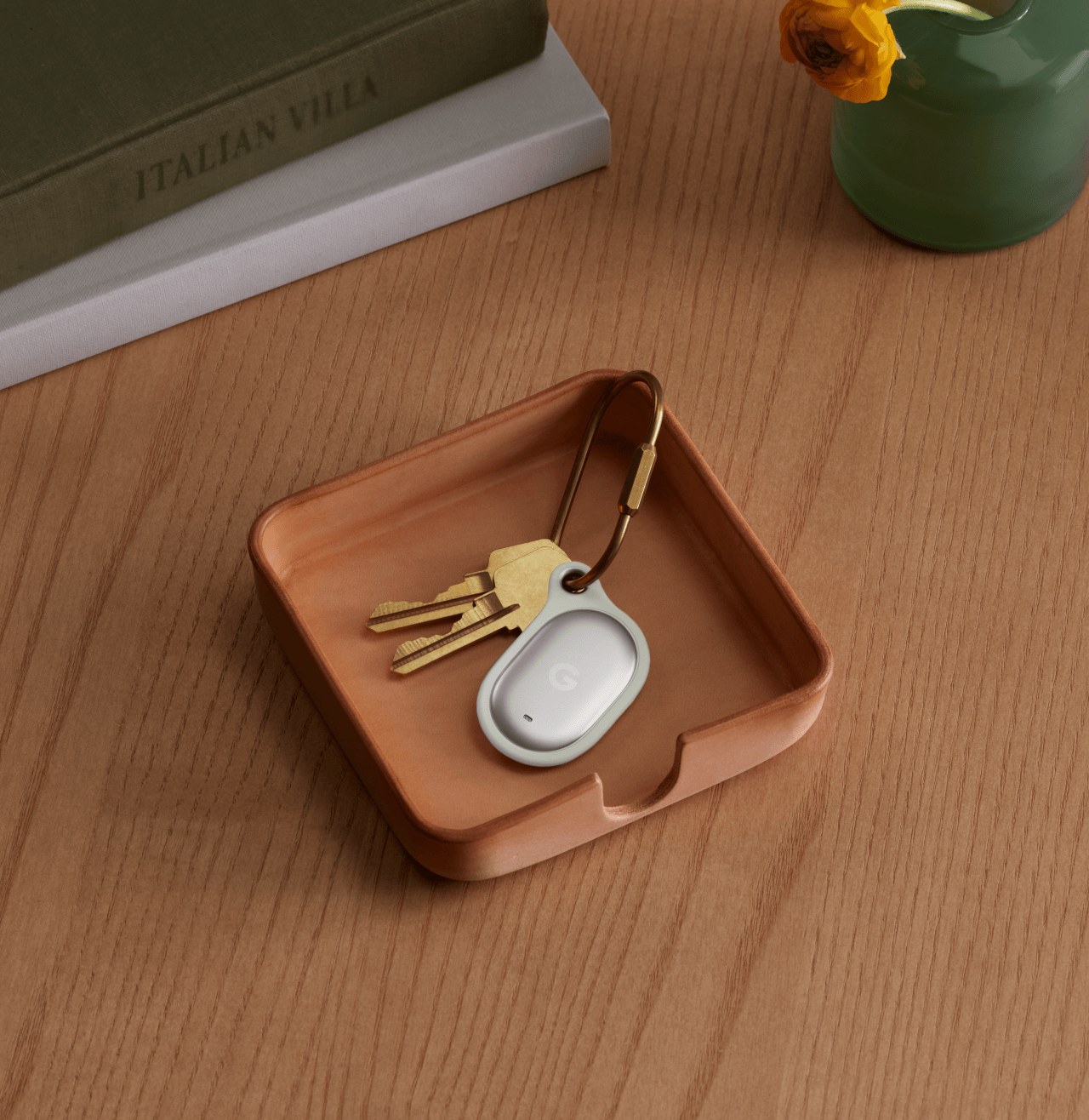
Google’s answer to the Apple AirTag is finally on sale. The Pixel Tag, priced at USD 29.99 (about Rs 2,650), started shipping on 10 November 2026 and works with any Android phone that has the Find Hub app built in. It arrives years after Apple popularised the category, and Google has used that delay to fix a few things owners complain about.
Here is what the Pixel Tag offers, how it compares with the AirTag, and who should buy one.
Pixel Tag Price and Availability
The Pixel Tag sells for USD 29.99 for a single unit and USD 99.99 for a four-pack on the Google Store. It comes in silver and a pale green shade. Bellroy is also selling keychain cases for it in multiple colours.
The device is currently on sale in the US. Google has not announced India pricing or an India launch date yet. Based on how Google prices its accessories locally, the Pixel Tag could land around Rs 2,999 to Rs 3,499 if and when it launches here. For now, Indian buyers will have to wait for an official announcement.
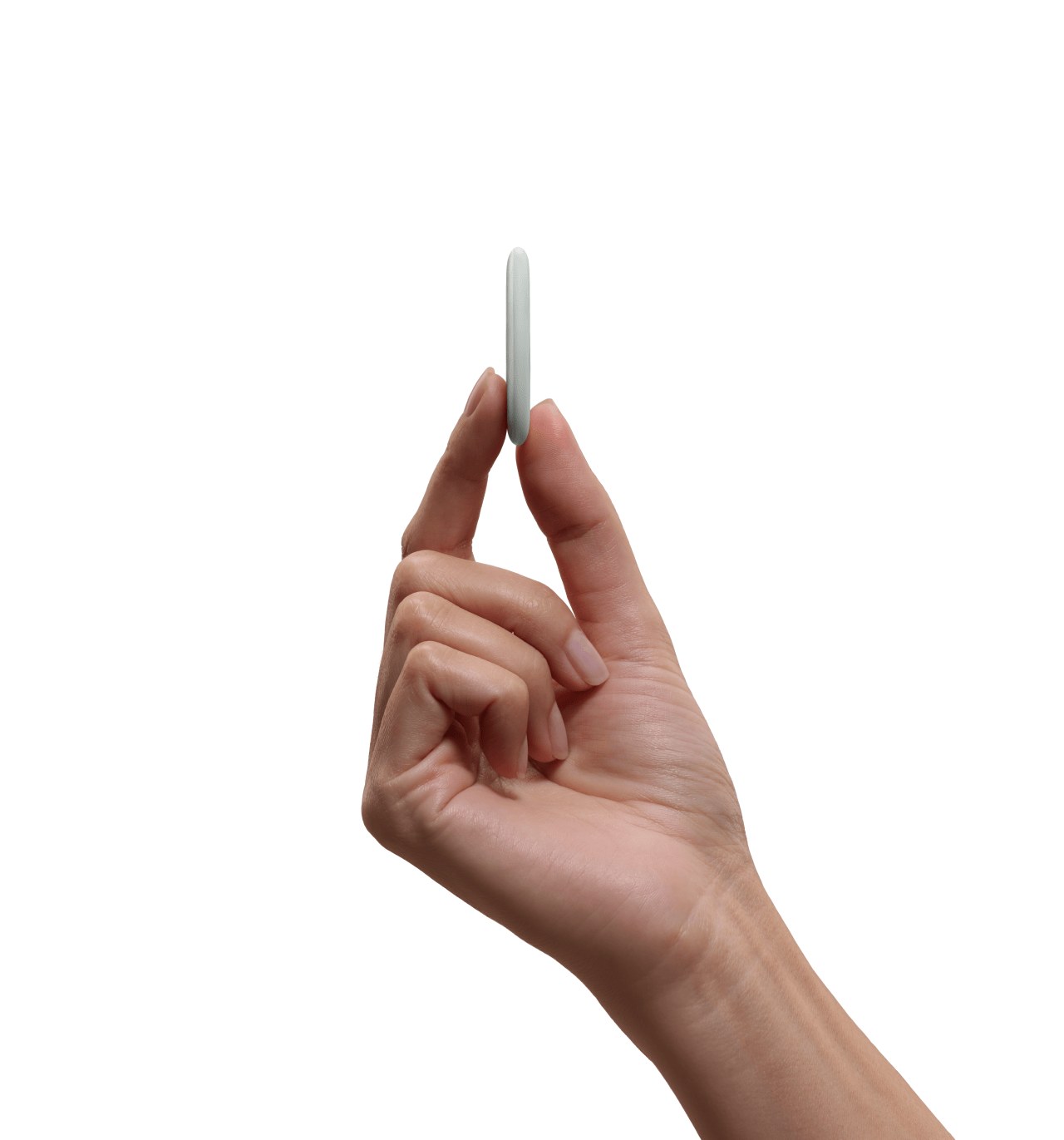
Design: Slimmer Than an AirTag
Google picked a different shape from Apple. Instead of a round pebble, the Pixel Tag is an elongated oval:
- Size: 1.1 inches wide and 1.8 inches tall, with a depth of 0.2 inches
- Weight: 0.4 ounces with the battery
- Build: stainless steel body with IP67 water and dust resistance (1 metre for up to 30 minutes)
- Colours: silver and pale green
For comparison, the AirTag is 1.26 inches wide and 0.31 inches deep. The Pixel Tag’s slimmer profile makes it easier to slip into a wallet or onto a small keychain. There is also a physical button on the tag, which makes the find-my-phone trick obvious without reading a manual.
How Finding Works
The tag pairs with phones running Android 9 or newer using Fast Pair, and uses Bluetooth plus ultra-wideband (UWB) for precision finding. When you are close, the Find Hub app shows visual distance and directional guidance, the same walk-around-the-room experience AirTag users know.
A few useful behaviours:
- The built-in speaker plays a chime at three selectable loudness levels, topping out around 80 decibels.
- Double-pressing the button on the tag rings your phone, even if it is on silent.
- For items that are far away, Google leans on its crowdsourced network of over a billion Android devices to report the tag’s location back to you.
- Tags in “Lost” mode can show a finder your email, number and a short message. When the tag comes back near your phone, it is marked as found automatically.
- Location can be shared with up to 10 people in Find Hub, which suits shared items like the family car keys.
NFC Was a Surprise Addition
Google did not mention NFC when it announced the Pixel Tag in August, but the shipping product has it. Apple uses NFC so that strangers can tap a lost AirTag and see the owner’s contact page. Google’s tap gesture instead opens the tag’s settings page on your own phone.
That is a small difference, but it shows the two companies see the finder audience differently. Apple optimises for the person who finds the item. Google optimises for the owner setting up and managing the tag.
Battery: A Standard CR2032 You Can Replace
Like the AirTag, the Pixel Tag runs on a user-replaceable CR2032 coin cell. Google claims up to one year of battery life to start. Swappable batteries matter more than they sound. Tile’s non-replaceable models become e-waste when the cell dies, while a CR2032 costs under Rs 100 at any electronics shop.
Where the Pixel Tag Beats the AirTag
- Works with every Android phone. AirTag is useless outside Apple’s ecosystem. The Pixel Tag works across the billion-device Android network, including phones from Samsung, Xiaomi, OnePlus and others.
- Phone finder built in. Double-press to ring your phone is a feature AirTag users keep asking Apple for.
- Slimmer body. Easier to fit into wallets and slim cases.
- Location sharing. Up to 10 people can see one tag, handy for shared keys.
Who Should Buy the Pixel Tag
The Pixel Tag makes sense for anyone whose household already runs on Android. If your phone, watch and family members’ phones are all in the Find Hub network, the tag plugs into an ecosystem that finally matches what iPhone owners have had since 2021. It is also a good fit for people who want to track shared items like car keys or a house key set, because the location sharing feature covers the whole family from a single tag.
It is less useful if you live in a mixed-device home. There is no cross-platform story here. An iPhone cannot help find a Pixel Tag, and a Pixel Tag cannot find an iPhone. If your household is split between iOS and Android, check both ecosystems before buying a stack of tags.
How It Compares With AirTag and SmartTag
- Against AirTag: the AirTag costs about USD 29 as well, so pricing is a wash. The Pixel Tag is slimmer, adds the double-press phone finder and shares locations with multiple people. The AirTag keeps an edge in network maturity and accessory support.
- Against Samsung’s SmartTag: SmartTag devices only work well inside Samsung’s own Find network. The Pixel Tag draws on the much larger Google Find Hub network that covers every Android brand.
- Against Tile: Tile works across platforms but charges for premium features like longer location history. The Pixel Tag’s core features come without a subscription.
Tips Before You Buy
- Check your phone’s UWB support. Precision finding needs UWB. Budget and mid-range Android phones may only get the Bluetooth distance view.
- Update Find Hub first. Make sure your phone runs a current Android version so the tag pairs without trouble.
- Buy the four-pack only if you need it. The pack saves about USD 20 against four singles, but a single tag is the smarter first buy.
- Register contact details in Lost mode before you travel, so a finder can actually reach you.
Frequently Asked Questions
How much does the Google Pixel Tag cost?
USD 29.99 for one tag and USD 99.99 for a four-pack on the Google Store. India pricing has not been announced yet.
Does the Pixel Tag work with Samsung and other Android phones?
Yes. Any phone running Android 9 or newer with Find Hub can pair with the Pixel Tag, not just Pixel devices.
Does the Pixel Tag have a replaceable battery?
Yes. It uses a standard CR2032 coin cell that you can swap yourself, and Google claims up to one year of battery life.
Is the Pixel Tag waterproof?
It carries an IP67 rating, which means it survives in up to 1 metre of water for 30 minutes. Rain and splashes are not a problem.
