



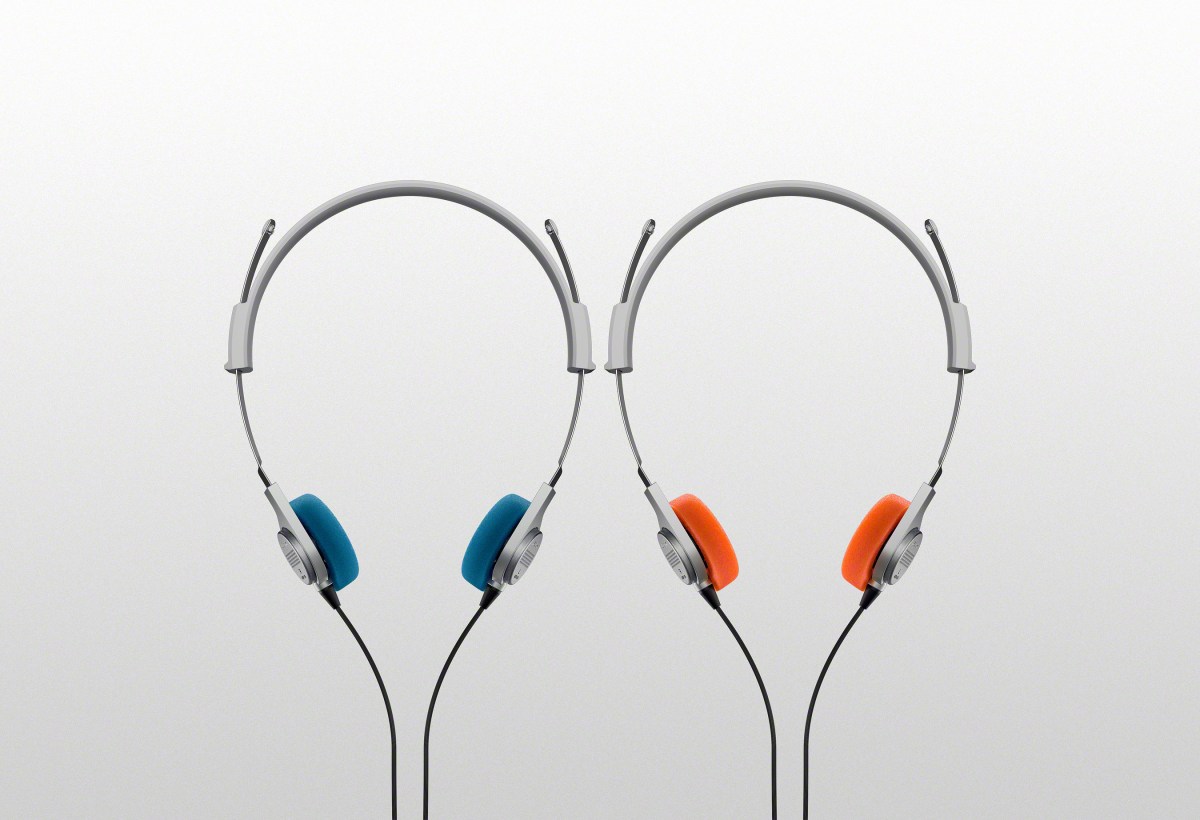
In 1979, Sony launched the Walkman TPS-L2 with the MDR-3 headphones, and the pair turned music into something you carried everywhere. Nearly five decades later, Sony is bringing those headphones back. The Sony MDR-3R recreates the original design and adds one modern port: USB-C.
A Walkman Classic Reborn
The MDR-3R are faithful recreations of the MDR-3 that shipped with the first Walkman. The lightweight open-ear build is unchanged, right down to the iconic blue and orange ear pads, which you can swap around depending on your mood. Sony has even styled the packaging and the instruction manual after the originals.
The idea is simple: give retro fans the exact look of 1979 without forcing them to hunt for working vintage gear. For anyone who grew up with a cassette Walkman, these will look instantly familiar.
The Headphones That Started It All
The original MDR-3 arrived alongside the Walkman TPS-L2 cassette player in July 1979. Before that combination, listening to music outside the house meant a bulky radio or a home hi-fi. Sony’s bet was that people wanted private sound on the move, and the company was right. The launch was built around young buyers, and the dual headphone sockets on the first Walkman even let two people listen together.
The MDR-3’s open-ear design was a deliberate choice. Sony wanted wearers to hear traffic and conversations while listening, which made the headphones safe for streets and trains. That same philosophy is why the MDR-3R keeps the open build today. Sony is not chasing noise cancellation here. It is rebuilding a product category it created.
Nostalgia audio is having a real moment too. Cassette sales keep climbing, wired earbuds are back in fashion with younger buyers, and retro editions from major brands sell out fast. The MDR-3R lands right in the middle of that trend.
Sony MDR-3R Specs and Modern Touches
Under the skin, Sony kept the formula close to the original while quietly modernising the parts that matter.
- Drivers: 23mm driver units, the same size as the original MDR-3
- Sound tuning: close to the MDR-3 signature, with subtle refinements for modern listening
- Connection: USB-C wired, plug and play
- Extras: built-in microphone for calls and an in-line remote
- No charging or pairing: no battery, no Bluetooth, no firmware updates needed
- Ear pads: swappable blue and orange pads included
The open-ear design means the headphones sit lightly on the ear and let outside sound in. That is great for awareness on a commute, but it also means sound leaks out and bass stays modest. These are lifestyle headphones first, audiophile gear never.
One point worth noting: the MDR-3R is USB-C only. There is no 3.5mm version, which some potential buyers have already flagged. If your phone dropped the headphone jack years ago, that is not a problem. If you wanted to plug into an old Walkman or a laptop with a headphone socket, it is.
Sony MDR-3R Stranger Things Edition
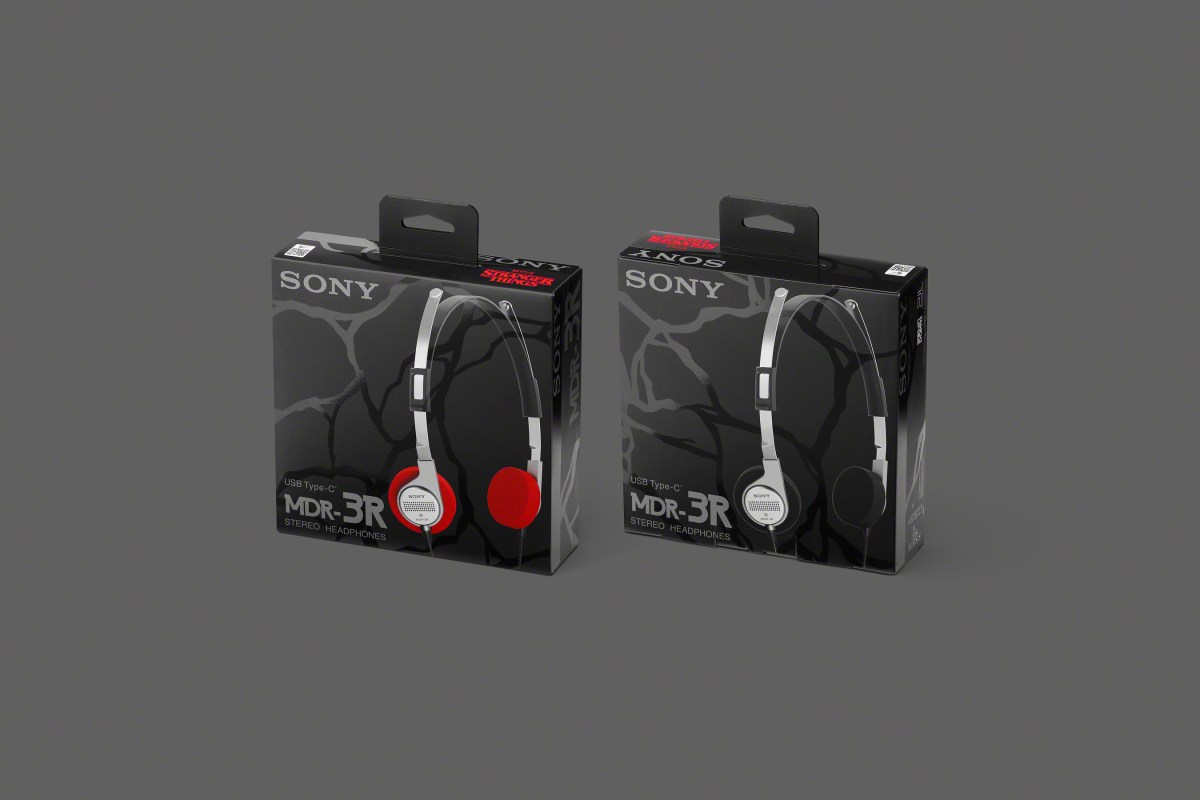
Sony is also launching a special Stranger Things Edition, inspired by the headphones Max wears in the Netflix series. This version gets an engraved Stranger Things logo, red and black ear pads in place of the blue and orange pair, and custom packaging.
Both models are wired throwbacks, so the Netflix tie-in fits the theme well. The show turned the vintage look into a style statement, and Sony is clearly leaning into that nostalgia.
The $20 premium buys you the branding and the packaging. If you are buying for the sound alone, the standard pair is the smarter pick. If you know someone who quotes the show by heart, the special edition is an easy gift.
How the MDR-3R Compare With Modern USB-C Earbuds
Most USB-C earbuds today sell on features: active noise cancellation, companion apps, EQ presets, hi-res codecs. The MDR-3R offer none of that, and that is the point. There is no app to install and nothing to configure. The 23mm drivers are tuned for easy listening rather than detail, and the open-ear build trades isolation for comfort over long listening sessions.
If you want silence on a flight, look elsewhere. If you want a light, comfortable pair for the desk, the commute, or calls, the built-in microphone and in-line remote cover the basics without adding batteries to the equation.
Price and Availability
The Sony MDR-3R is priced at $59.99 (around Rs 5,300) in the US and is available now from Sony, Amazon, and other retailers. The Stranger Things Edition costs $79.99 (around Rs 7,000). Pricing and availability for India will be announced later, and Sony usually follows the US launch with regional pricing in a few weeks.
Tips: Should You Buy the Sony MDR-3R?
- Buy them for the look and the simplicity. Plug in and you are done. No app, no pairing, no battery anxiety.
- Skip them if you need isolation. The open-ear design is a bad fit for flights and noisy offices.
- Check your port first. USB-C only, so iPhone users with Lightning ports and older laptops need an adapter.
- Consider the Stranger Things Edition only if the branding matters. The sound hardware is the same as the standard pair.
- Wait a week if you are in India. Regional pricing often lands lower than a straight dollar conversion.
What is the Sony MDR-3R price?
The Sony MDR-3R costs $59.99 (around Rs 5,300) in the US for the standard version. The Stranger Things Edition is priced at $79.99 (around Rs 7,000). India pricing has not been announced yet.
Are the Sony MDR-3R wireless?
No. The MDR-3R are wired USB-C headphones with a built-in microphone and in-line remote. There is no Bluetooth version and no battery to charge.
What is different about the Sony MDR-3R Stranger Things Edition?
The Stranger Things Edition adds an engraved Stranger Things logo, red and black ear pads, and custom packaging inspired by Max’s headphones in the Netflix series. The drivers and sound tuning are the same as the standard MDR-3R.
When does the Sony MDR-3R launch in India?
Sony has not announced the India launch date or pricing yet. The headphones are on sale now in the US, and regional availability usually follows within a few weeks.
