



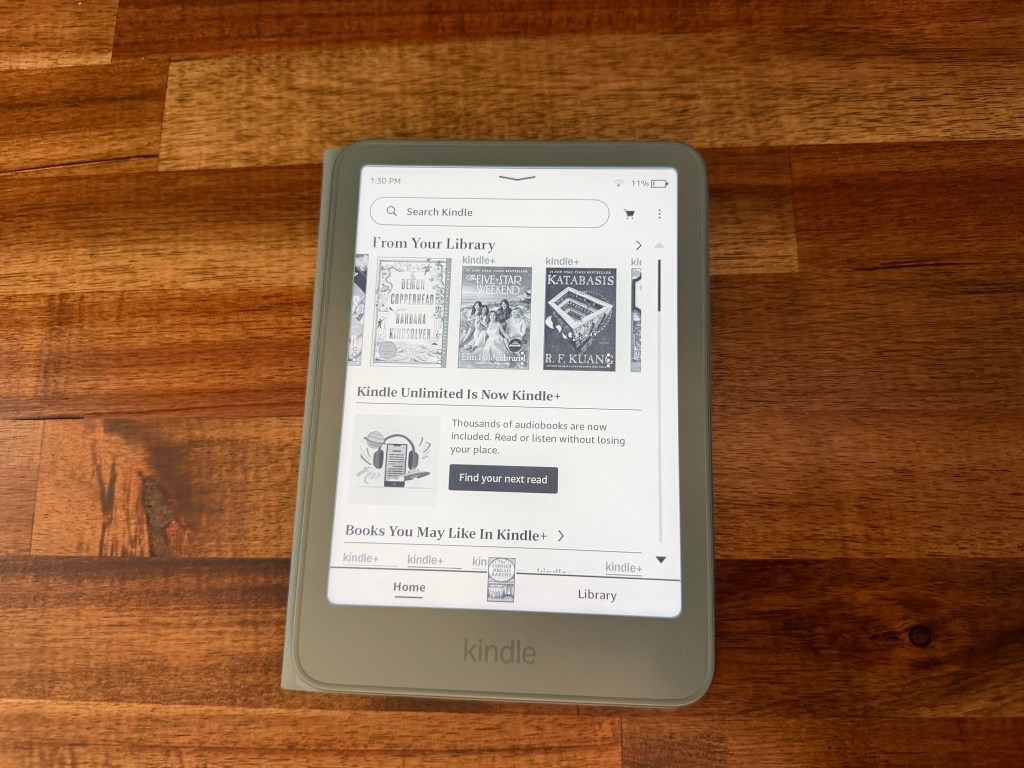
Amazon refreshed its whole Kindle lineup in October 2026, the first significant design overhaul in years, and every model got more expensive. Prices rose by $40 to $50 across the range because of the global memory-chip shortage driven by the AI boom. That makes the cheapest model the interesting one. After two weeks with the 6-inch basic Kindle at $169.99, the answer to whether it is worth buying is simple: yes, if you can live without the bells and whistles.
What Is New in the 2026 Basic Kindle
The entry-level Kindle used to be the device Amazon barely touched. The 2026 model gets the same edge-to-edge, flush-front screen treatment as the pricier Paperwhite and Colorsoft, and the body shrinks in every direction.
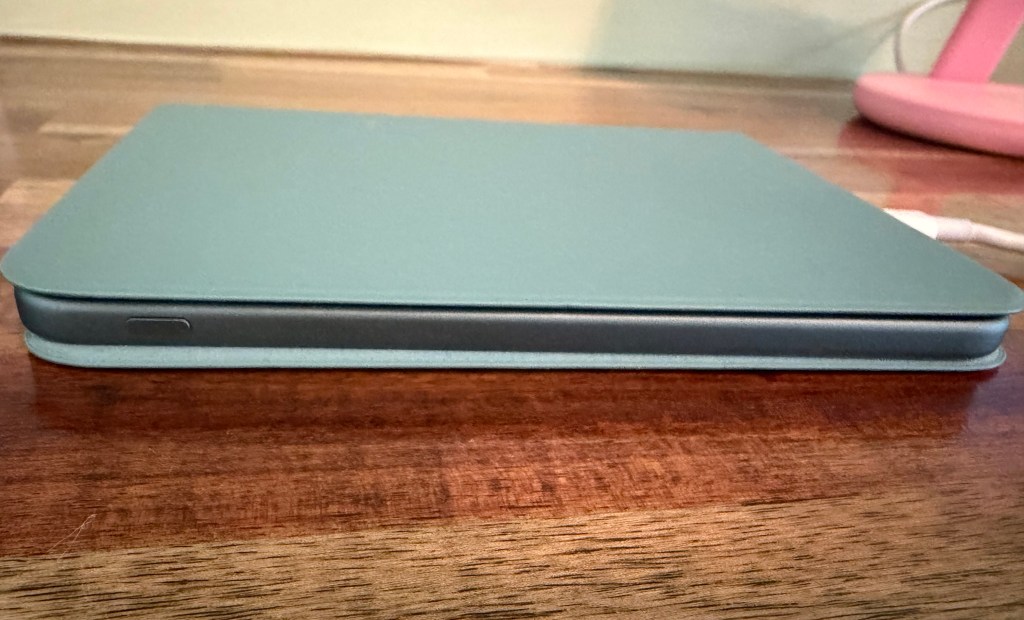
- Lighter and thinner: 140g and 6.85mm thick, against 158g and 8mm for the 2024 model. That is 11 percent lighter and 14 percent thinner, and the 18-gram difference is noticeable in a bag or when holding the device for a long reading session.
- Flush-front display: no raised bezel, with a 300 ppi screen that carried over from the previous basic Kindle.
- Faster software: Amazon claims books open 30 percent faster than on the 2024 model, and the difference shows when starting a book.
- Two versions: a $169.99 plastic model with 16GB in Graphite or Ube purple, and a $189.99 aluminum model with 32GB in Seagrass and Alpine Sky colors. The aluminum version weighs 162g.
- Smarter touch handling: with no bezel to rest a thumb on, the new Kindles detect a dead zone at the screen edge so your grip does not register as taps.
Upgrading from a 2019 basic Kindle is an even bigger jump: USB-C charging, storage that goes from 4GB to 16GB or 32GB, screen sharpness from 167 ppi to 300 ppi, and a battery that lasts weeks longer.
Reading on the basic Kindle is where the value shows. The 300 ppi screen renders text as sharply as the premium models, the flush front keeps the page feeling close to the glass, and the smaller body means one-handed reading works even on a busy train. Amazon’s claimed 30 percent faster book opening is a quality-of-life change you notice every time the device wakes from sleep.
What You Give Up
The basic Kindle earns its price by leaving things out. Here is exactly what is missing compared with the Paperwhite and Colorsoft:
- No warm light. There is no amber shift for night reading. The display stays at a cooler tone.
- No auto-adjusting brightness and no color display.
- Not waterproof, so it is not a poolside or beach device.
- No page-turn cover support. The magnetic cover with page-turn buttons works on the premium models, not this one. The Kindle Click Bluetooth remote does work with it.
- Smaller battery: 6 weeks on the basic model, against 12 weeks for the Paperwhite and 8 weeks for the Colorsoft.
None of these are fatal. They are the kind of omissions that matter only if your reading habits depend on them. If you read in bed at night with the lights off, the missing warm light is a genuine problem. If you read on the commute or in daylight, you will not miss it.
How It Compares With the Rest of the Lineup
The 2026 Kindle range now has four clear tiers, and the price gaps grew with this refresh:
- Basic Kindle (6-inch): $169.99 plastic 16GB, $189.99 aluminum 32GB. Best for portability and budgets.
- Kindle Paperwhite: $199.99 for 16GB in Graphite, $249.99 for 32GB in Seaglass. Adds warm light, waterproofing, 12-week battery.
- Kindle Colorsoft: color display for comics and covers, 8-week battery, priced above the Paperwhite.
- Accessories: the Kindle Click Bluetooth remote works across the range, while the page-turn cover stops at the premium models.
The comparison that matters for most buyers is basic versus Paperwhite. For $30 more than the plastic basic model, the Paperwhite adds warm light, waterproofing and double the battery. That is a strong argument if you read at night. For everyone else, the basic model’s smaller size wins. It fits in a jeans back pocket, and the lighter build makes long sessions easier on the wrist.
Who Should Buy the Basic Kindle
Match the device to how you actually read. These are the four profiles the basic Kindle fits best:
- The commute reader. Small bags and crowded trains reward the 140g build, and the 6-week battery means you charge it a few times a season.
- The daytime reader. If most of your reading happens in offices, trains or gardens, the cooler screen tone without warm light rarely bothers anyone.
- The first e-reader buyer. At $169.99 you get the same 300 ppi sharpness as the premium models. Text quality is not where the savings show up.
- The multi-device household. A second Kindle for a partner or teenager costs less than one Paperwhite, and 16GB holds thousands of books, so storage is never the limit.
The opposite profile matters just as much. If you read nightly in bed, read in the bath or by the pool, or you want comics in color, those needs point to the Paperwhite or Colorsoft instead. Buying the wrong Kindle for your habits is the fastest way to end up back on your phone.
Why Kindles Cost More in 2026
The price rises are not random. The same memory-chip shortage that has hit phone makers and server builders reached e-readers, and Amazon passed $40 to $50 of that cost to buyers on every model. Our earlier coverage of the memory price crunch explains why AI datacenter demand has squeezed DRAM supply, and analysts expect prices to stay high into 2028.
For shoppers, the practical effect is that the budget Kindle is no longer an impulse buy at under $100. It sits close to $170, which is firmly in “research it first” territory. On the upside, the hardware you get at that price is a much better device than the budget Kindles of a few years ago.
Tips Before You Buy
- Decide on the warm light first. If you read at night, skip the basic model and go straight to the Paperwhite. It is the one feature you cannot add later.
- Choose plastic unless you want 32GB. The aluminum version costs $20 more and adds weight. 16GB already holds thousands of books.
- Consider the Ube color. The purple option is the first fun color on the basic model, and it is easier to spot in a bag than Graphite.
- Wait for a sale if you are upgrading from a recent model. With prices at a high point, holiday discounts may soften the memory-cost increase.
- Skip the Kindle Click remote for this model. The basic Kindle is light enough to hold and turn pages on directly.
- Check the trade-in programme. Amazon often credits older Kindles, which softens a price increase that is here to stay through 2028.
- Turn on airplane mode between sessions. With wireless off, that 6-week battery estimate stretches noticeably further.
FAQ
How much does the 2026 basic Kindle cost?
The 2026 6-inch Kindle starts at $169.99 for the 16GB plastic model in Graphite or Ube. The aluminum version with 32GB costs $189.99 and comes in Seagrass and Alpine Sky.
Is the basic Kindle good for reading at night?
It works, but it has no warm light, so the screen keeps a cooler tone. If you read in bed with low light, the $199.99 Kindle Paperwhite is the better fit.
What is the difference between the 2026 Kindle and the Kindle Paperwhite?
The Paperwhite adds a warm light, waterproofing, auto brightness and a 12-week battery against 6 weeks on the basic model. The basic Kindle is smaller and lighter at 140g.
Does the basic Kindle work with the Kindle Click remote?
Yes. The Bluetooth page-turn remote works with the basic Kindle, though the magnetic page-turn cover is limited to the premium models.
