



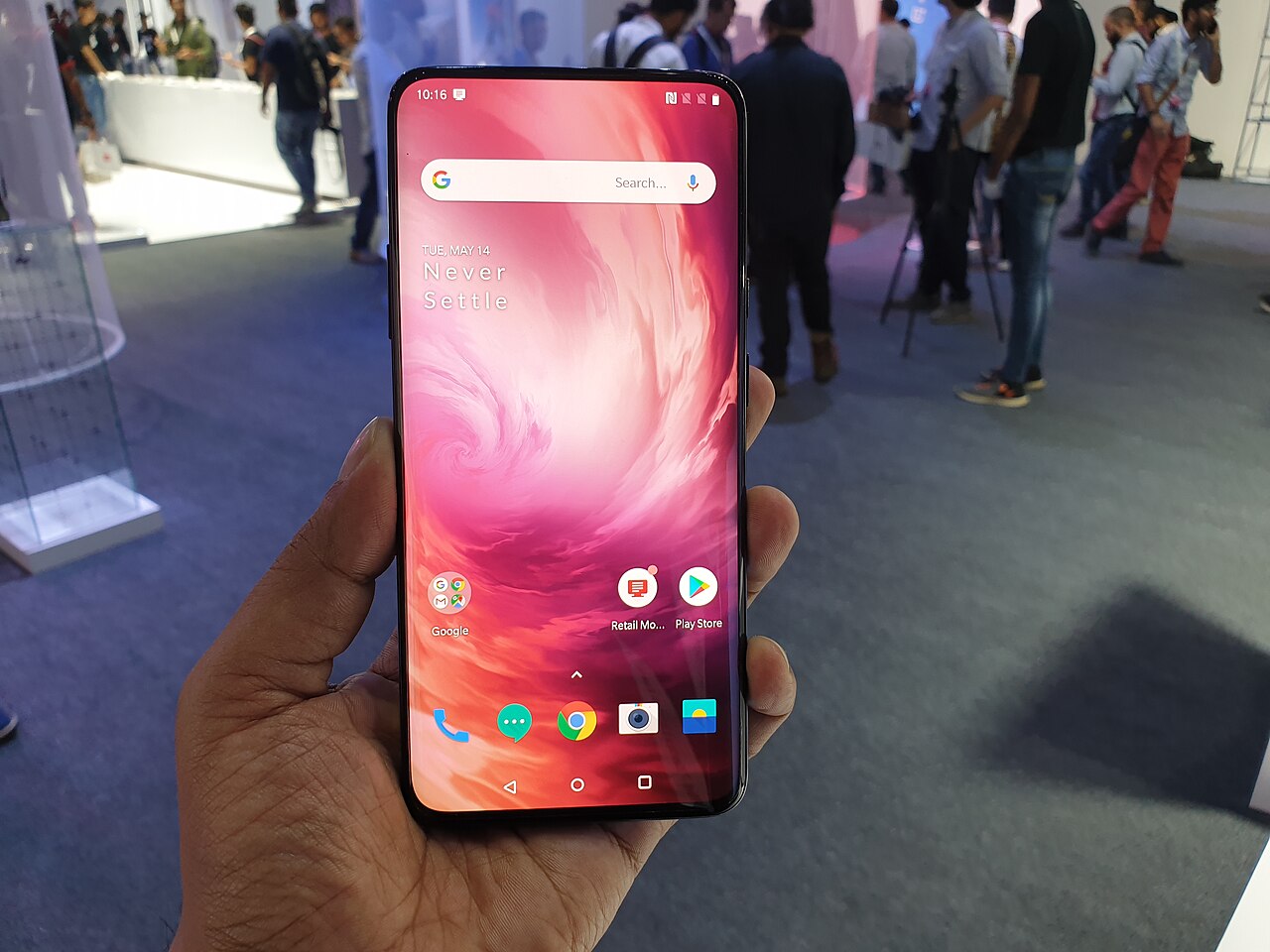
OxygenOS is officially over. OnePlus has started rolling out the stable Android 17 update to the OnePlus 15 and OnePlus Pad 4, and the software on both devices is now ColorOS 17. The rollout began in India on October 23, six days ahead of the October 29 date OnePlus had originally published, and it marks the first wave of existing devices moving off OxygenOS for good.
If you own a recent OnePlus phone in India, this is the update you have been waiting for, and the one that quietly rewrites what your phone’s software is called. Here is what is in it, who gets it next, and how to prepare your device.
Why OxygenOS Ended
OxygenOS started as OnePlus’s near-stock Android skin with a handful of genuinely useful additions, and it built the brand’s reputation among enthusiasts. Over the years it became a global-optimised version of Oppo’s ColorOS, so the writing was on the wall when OnePlus shut down most of its global operations earlier in 2026.
At the time, the company confirmed the plan directly: OxygenOS would go away, and existing devices would update to ColorOS. What used to be two parallel software tracks, OxygenOS for global markets and ColorOS for China, now collapses into one. The 9to5Google team, which flagged the early rollout, has covered the brand’s wind-down closely; their review of the Oppo Find X10 Pro Max this month called it “a gut punch in a post-OnePlus world” for exactly this reason.
A Short History of OxygenOS
For anyone who joined the OnePlus community recently, the name change may not mean much. For long-time users it closes a chapter that began in 2015.
- 2015: OxygenOS arrives on the OnePlus One for global markets, paired with HydrogenOS in China. The near-stock interface and fast updates define the brand.
- 2015 to 2020: OxygenOS becomes the enthusiast favourite, with features like Dash Charge and a clean shelf helping OnePlus grow well beyond its invite-only roots.
- 2021 onwards: OnePlus folds its software teams into Oppo and merges the OxygenOS codebase with ColorOS. The look stays recognisable, but the underlying platform becomes shared.
- 2026: OnePlus shuts down most of its global operations and confirms that OxygenOS will be retired, with existing devices moving to ColorOS.
- October 23, 2026: The first stable ColorOS 17 updates land on the OnePlus 15 and OnePlus Pad 4 in India. The transition is now real.
Through all of it, OxygenOS kept its reputation for responsiveness even as the code underneath grew closer to Oppo’s. That is why the update itself will feel familiar to most owners, even though the name on the boot screen changes.
What Is Rolling Out Right Now
Starting in India, ColorOS 17 based on Android 17 is landing on two devices: the OnePlus 15 and the OnePlus Pad 4. The update spent several weeks in beta before this stable release.
The first wave is deliberately small. OnePlus 15 and Pad 4 are the only two devices in it, and expansion to other regions is expected in the coming days. The next wave is scheduled for October 30 and includes the OnePlus 13. Beyond that, OnePlus has confirmed that last-generation flagships and an assortment of Nord devices will receive the update, though dates for individual models are still to be announced.
For Indian users this timing matters. The rollout started here first, which means Indian OnePlus 15 and Pad 4 owners are the global test bed. If you bought either device at launch, checking for the update now should find it.
What ColorOS 17 Brings
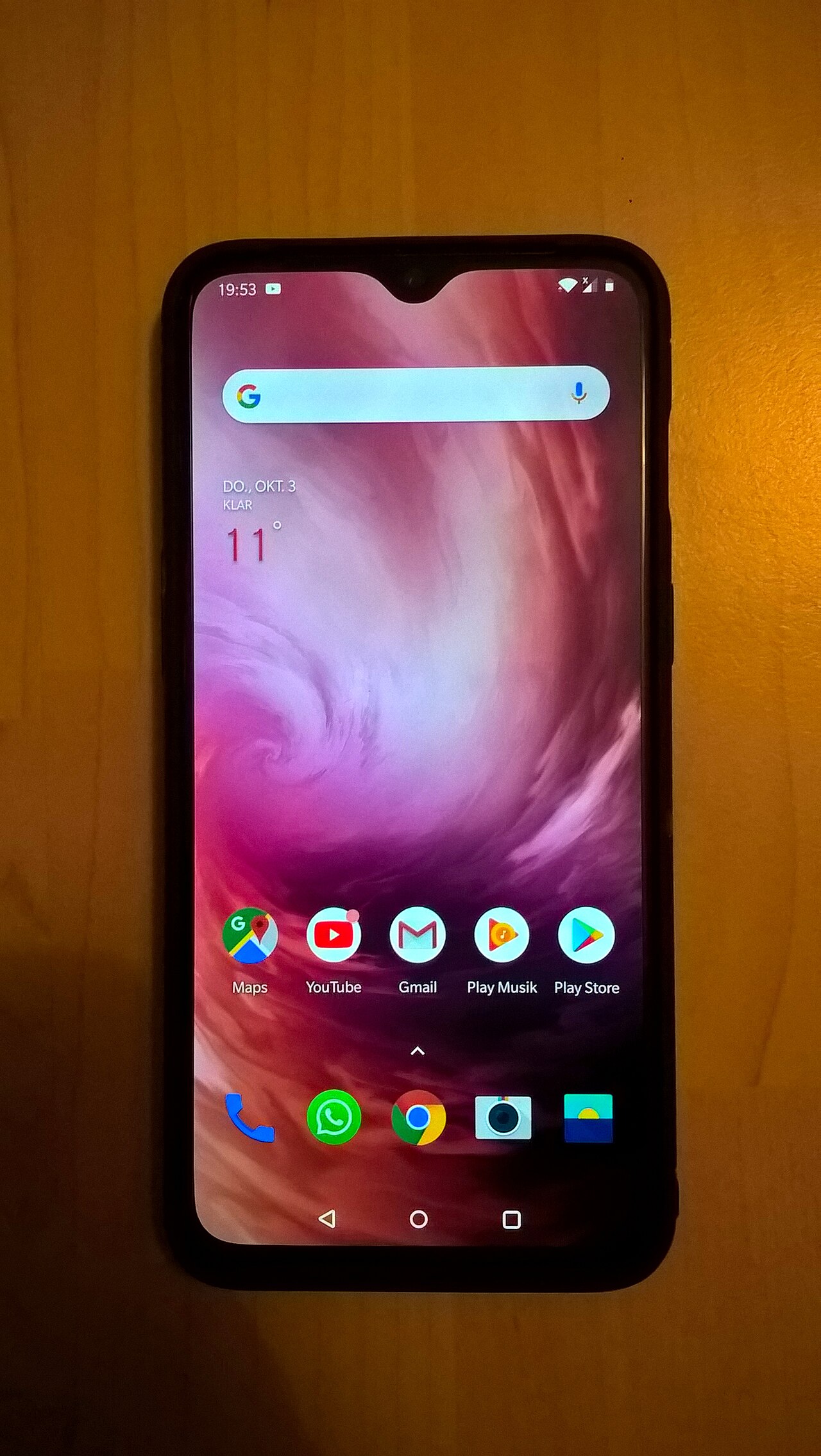
Oppos marketing for ColorOS 17 runs on the line “Flow with AI, Flow Everywhere”, and the pitch is familiar: smarter experiences, smoother interactions, and a phone that adapts to how you work rather than the other way around. Expect the usual 2026 mix of on-device AI features, tighter cross-device handoff with Oppo and OnePlus tablets, refreshed animations and a redesigned settings surface.
Underneath, this is Android 17. That brings the platform-level changes Google shipped with this release, including the latest privacy dashboards, notification handling and background execution controls. Your Google account, Play Store purchases and Google services carry over unchanged.
What you will notice first is the branding. The updater screen, the boot animation and the settings menu now say ColorOS. The old OxygenOS community apps and any OxygenOS-specific toggles that never made it into the shared codebase will be replaced by their ColorOS equivalents.
How to Prepare Your Phone Before Updating
A full OS skin switch is the biggest kind of in-place update a phone can get. A little preparation avoids most of the common complaints:
- Back up first. Use OnePlus Switch or Google One to back up photos, messages and app data. Even though updates preserve data, a skin migration is not the time to trust luck.
- Charge past 50 percent and keep the phone plugged in. The first boot after a major update re-indexes storage and can take 20 to 40 minutes of heavy battery use.
- Update your apps before the OS. Open the Play Store, update everything, then install the system update. This avoids most post-update crashes from old app builds.
- Check for the update manually: Settings, then About device, then the version row, then Check for updates. If the OTA has not reached you, waiting a day or two is normal even inside the first-wave regions.
- Expect short-term battery drain. Battery life usually settles within three to four days as indexing finishes. If it does not, a cache wipe from recovery is the standard next step before a factory reset.
- Still on OxygenOS 15 or 16? You will receive ColorOS 17 directly as the next update when your model’s wave opens. There is no separate migration step, and skipping straight to ColorOS is how every supported device moves.
What Happens to Your OnePlus Phone Next
The direction is set: every supported OnePlus device becomes a ColorOS device. The OnePlus 13 joins on October 30, and Nord models plus remaining flagships follow in waves. If you own a Nord, watch the official OnePlus community channels for your model’s date, because regional schedules vary.
For buyers deciding today, the practical takeaway is simple. OnePlus hardware is now Oppo hardware with a different name on the box, and the software is ColorOS across the board. That is not a downgrade in features, but it is the end of the enthusiast identity that made the brand. If the OxygenOS look and update pace were your reason for staying, that reason no longer exists.
FAQ
Which OnePlus phones are getting the Android 17 update?
The OnePlus 15 and OnePlus Pad 4 are receiving ColorOS 17 based on Android 17 right now, starting in India. The OnePlus 13 follows in the wave scheduled for October 30, with last-generation flagships and Nord models confirmed to get the update later.
Is OxygenOS completely discontinued?
Yes. OnePlus confirmed that OxygenOS goes away as part of its global wind-down. Existing devices are being updated to ColorOS, and the OnePlus 15 and Pad 4 are the first two to complete the switch.
Will my data be safe when OxygenOS changes to ColorOS?
The update preserves user data, but a full skin migration deserves a backup. Use OnePlus Switch or Google One to back up photos, messages and app data before installing, and make sure your apps are updated first.
What is new in ColorOS 17?
ColorOS 17 is built on Android 17 and centres on what Oppo calls “Flow with AI, Flow Everywhere”: on-device AI features, smoother animations, cross-device handoff with Oppo and OnePlus tablets, and a refreshed settings surface with Android 17 privacy controls underneath.
When will the OnePlus 13 get the update?
The OnePlus 13 is in the next rollout wave, scheduled for October 30. Availability can vary by region by a few days, so check Settings, then About device for the OTA if it does not arrive automatically.
