



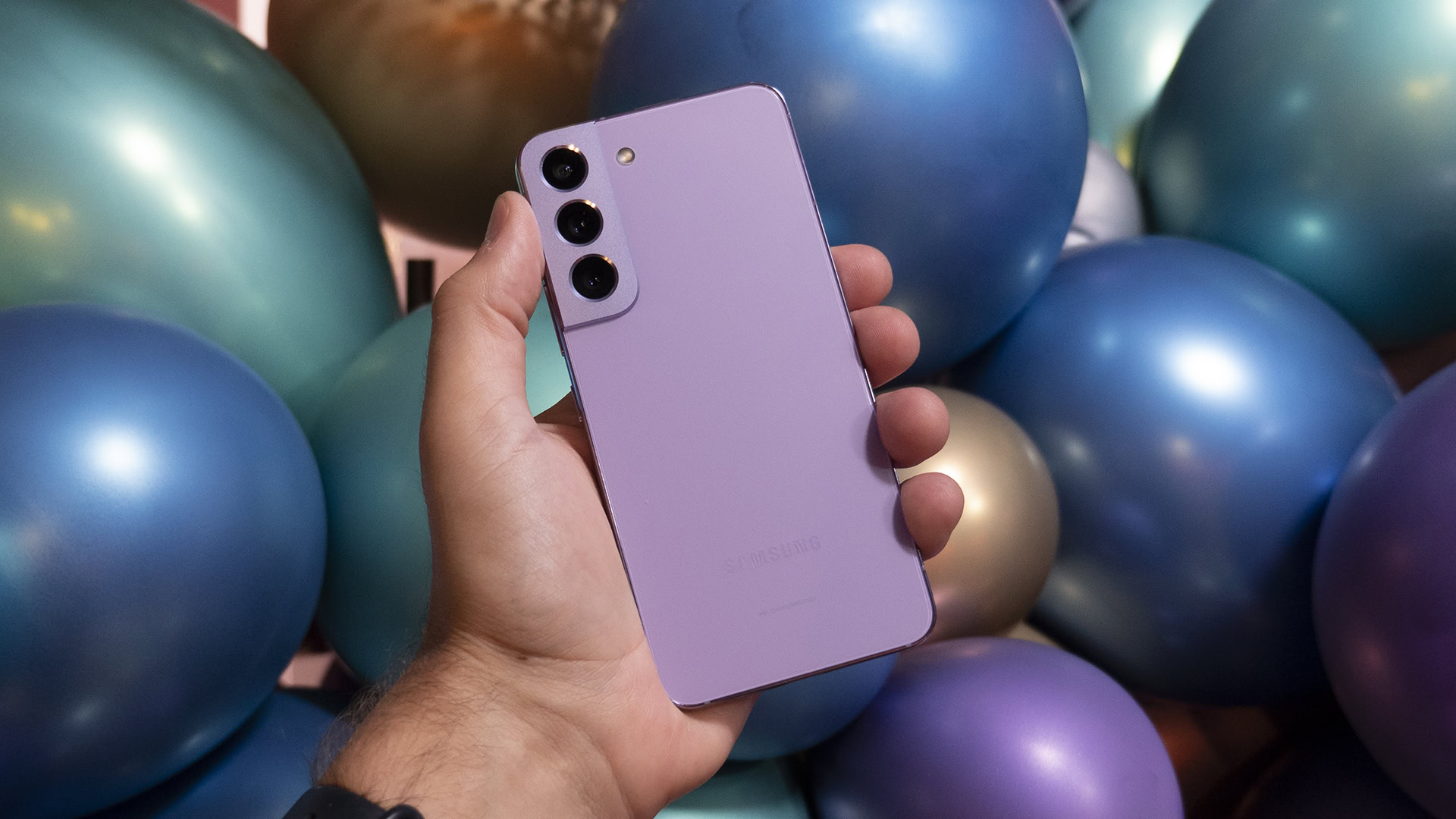
Samsung has been fined 20.1 billion won, about $15.1 million, for promising the “ultimate mobile gaming experience” on Galaxy phones and then quietly cutting gaming performance by up to 70 percent. The Korea Fair Trade Commission (KFTC) issued the fine over the Game Optimizing Service (GOS) scandal that first broke during the Galaxy S22 era.
It is rare to see a phone maker face real consequences for overselling a device. Here is what Samsung’s Game Optimizing Service did, what the KFTC decided, and what owners of older Galaxy phones should check right now.
What Samsung’s Game Optimizing Service Did
The Game Optimizing Service is a system app on Galaxy phones that manages performance during games. Starting with the Galaxy S22 generation, users and reviewers discovered that GOS would automatically activate when certain popular games were launched and reduce phone performance to as low as 30 percent of what the hardware should be capable of.
Samsung’s stated goal was to avoid overheating and protect battery life during long sessions. The problem was the scale of the cut and the silence around it. Games ran noticeably worse on flagship hardware, and buyers who paid for top-end chipsets were not told that their phones were being held back in exactly the workloads those chipsets were advertised for.

The KFTC Fine Explained
The Korea Fair Trade Commission has now levied a 20.1 billion won fine, roughly $15.1 million, against Samsung. The regulator’s reasoning mirrors the consumer complaints from years ago:
- GOS cut performance to as low as 30 percent of the possible level in certain popular games
- Samsung’s advertising promised an “ultimate mobile gaming experience” that throttled phones did not deliver
- The throttling was not disclosed to buyers at the time of purchase
For Samsung’s scale, $15.1 million is a small sum, more a warning than a financial blow. What makes the decision notable is that an advertising claim about phone performance resulted in a regulatory fine at all. As Android Authority noted, it is far more common to see inflated benchmark scores quietly tolerated than to see consequences for overselling.
Samsung’s Response
According to Seoul Economic Daily, Samsung emphasises that “no court has found that consumers suffered harm because of the advertising.” That wording matters. Samsung is drawing a line between the KFTC’s advertising ruling and any finding of actual consumer damage, which remains unsettled.
Galaxy owners in South Korea also pursued a class-action lawsuit over the throttling years ago, so the legal story is not over even with the KFTC fine in place.
A Short Timeline of the GOS Scandal
- Early 2022: Galaxy S22 owners report that popular games run at reduced performance. Researchers confirm GOS limits CPU and GPU behaviour when certain games start
- 2022: Samsung faces a class-action lawsuit from Galaxy owners in South Korea. The company rolls out software changes and gives users the option to disable GOS on affected devices
- October 2026: the KFTC fines Samsung 20.1 billion won over the original advertising claims
Why This Case Is Different From Benchmark Cheating
Phone makers have been caught inflating benchmark scores before, with Nubia’s RedMagic line being one recent example. Samsung’s case was the opposite. The phones were not running faster for tests and slower for everything else. They were running slower in real games while the marketing kept talking about ultimate performance.
That distinction is why the KFTC framed this as an advertising case rather than a technical one. The hardware was capable, the software held it back without disclosure, and the buyer only found out afterwards.
What This Means for Galaxy Owners Today
Current Galaxy flagships ship with the option to control GOS, and newer One UI versions are far more transparent about performance management. But if you own a Galaxy S22, S21, or an older flagship, it is worth checking how your phone behaves in games.
Three things this ruling changes in practice:
- Marketing claims get scrutiny. Expect Samsung and rivals to be more careful about blanket performance promises in phone advertising
- Disclosure becomes the norm. Performance management features that affect games will likely carry clearer labels in settings and reviews
- Precedent for users. Consumer groups in other markets can point to the KFTC decision when pushing for similar action
Tips: Get the Best Gaming Performance From Your Galaxy Phone
- Check whether GOS is limiting you. Look in Game Booster settings for the option to disable or relax performance optimization, which Samsung added after the scandal
- Run a benchmark before and after. Tools like 3DMark or Geekbench give you an objective number to compare when you change performance settings
- Watch your thermals. The reason GOS exists is heat. If you disable throttling, use a cooler or take breaks during long sessions so the phone does not protect itself another way
- Keep One UI updated. Performance profiles and Game Booster behaviour have changed across updates, so run the latest version
- Read sustained performance reviews. Peak benchmark scores hide throttling behaviour. Look for long-session gaming tests when buying a phone
- Check performance profiles per game. Game Booster lets you set behaviour per title, so you can keep light games cool and let heavy ones run at full speed
- Document what you see. If a game performs far below the chipset’s known level, record it. Consumer complaints were what eventually pushed the GOS story into regulators’ hands
FAQ
What is Samsung’s Game Optimizing Service?
GOS is a system service on Galaxy phones that manages performance during games. During the Galaxy S22 era it was found to cut performance to as low as 30 percent of the phone’s capability when certain popular games ran, without telling users.
Why was Samsung fined for gaming performance?
The Korea Fair Trade Commission fined Samsung 20.1 billion won (about $15.1 million) because its advertising promised an “ultimate mobile gaming experience” while GOS throttled phones in popular games. The fine was announced in October 2026.
Which Samsung phones were affected by GOS throttling?
The controversy centred on the Galaxy S22 generation and earlier flagships that shipped with the original Game Optimizing Service behaviour. Samsung later added the option to disable GOS through software updates.
Can I turn off GOS on my Galaxy phone?
Yes, on devices that received the post-scandal updates. Check Game Booster settings for performance optimization controls. If you disable it, watch your phone’s temperature during long gaming sessions.
Does Samsung still throttle Galaxy phones in 2026?
Current Galaxy flagships give users control over performance management, and One UI is more transparent about it. The KFTC fine covers the earlier undisclosed throttling and the advertising claims around it.
