



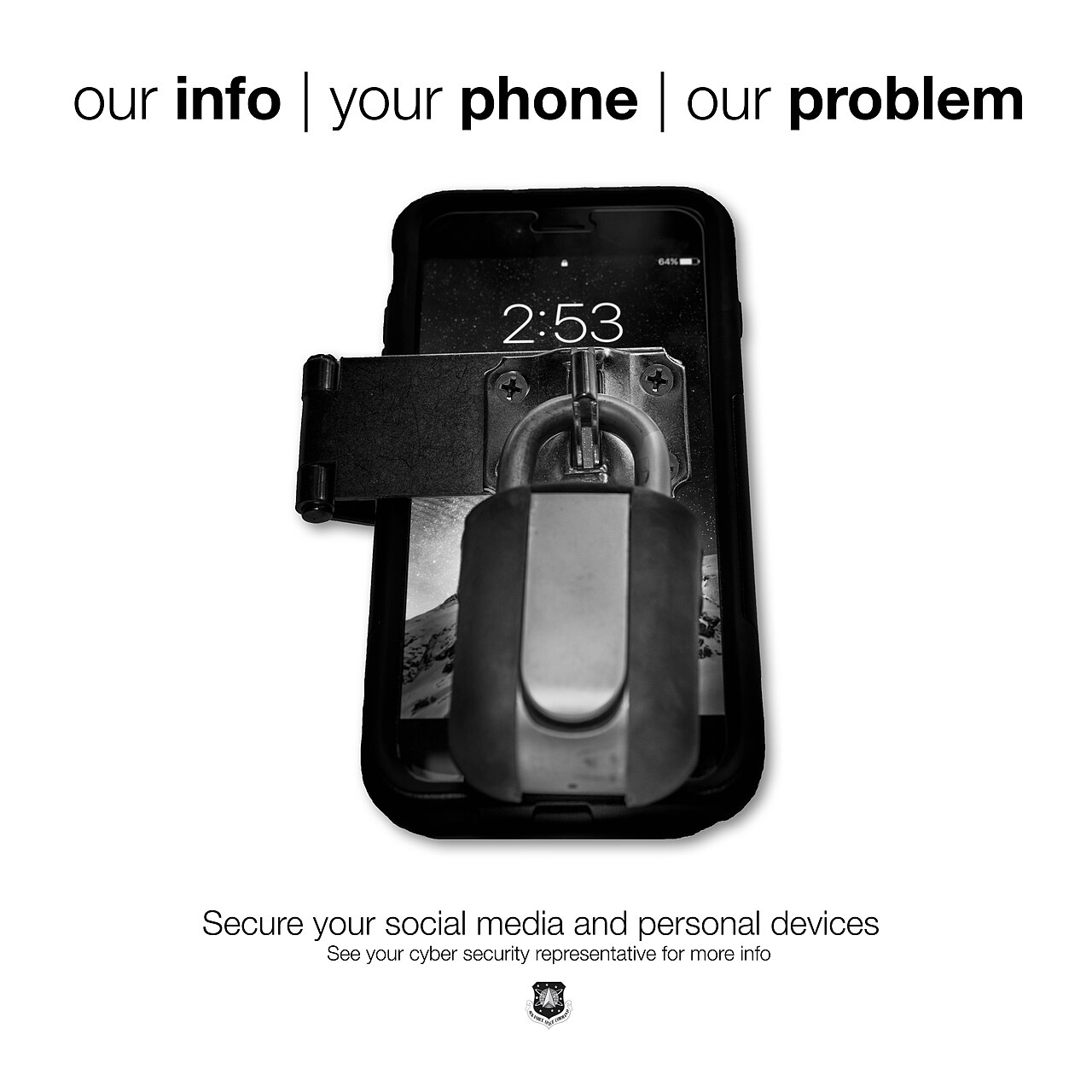
2026 has been a rough year for security teams. Zero-days are getting exploited faster, supply chain attacks keep finding new entry points, and AI has become both a defense tool and an attack surface. This tracker collects our coverage of the major breaches, vulnerabilities and fixes in one place, with practical takeaways for Indian users and IT teams.

Why This Tracker Exists
Security news moves faster than patch cycles. Individual stories tell you what happened; a tracker shows the pattern. The pattern this year is clear: attackers are going after management interfaces, backup infrastructure and the software supply chain rather than end users directly.
Enterprise Breaches and Supply Chain Attacks
Cloud backup was a big target. Our coverage of the ConnectWise cloud backup breach shows how one vendor compromise cascaded across Microsoft 365 tenants. Similarly, the GitHub Actions supply chain attack went after developer secrets rather than production systems.
Healthcare did not escape either. Our report on the Amgen data breach covers how patient information was exposed through cloud infrastructure.
For the wider picture, see our roundup of the worst data breaches of 2026 and the biggest breaches from Conduent to Instructure.
Critical Vulnerabilities and Zero-Days
Management interfaces remain the weak spot. The Palo Alto PAN-OS RCE zero-day was exploited in real attacks before patches landed, and the Drupal RCE flaws hit sites that delay core updates.
WordPress and e-commerce stacks were heavily targeted too. Our reports on the Rank Math Pro backdoor and the BlockStrap Magento vulnerability explain what to check right now.
Microsoft’s update cadence is worth watching. According to our coverage of Microsoft’s October 2026 Patch Tuesday, the volume of fixed flaws keeps climbing, which makes patch prioritization a skill of its own.
Ransomware and Extortion
Ransomware crews are innovating on pressure tactics. Our report on LunaLock ransomware covers how stolen artwork is being used as leverage against creators.
Infrastructure is in the crosshairs as well. The attack on Minnesota water systems is a reminder that operational technology is not as isolated as it used to be.
Consumer and Mobile Threats
Mobile users face increasingly convincing attacks. Our coverage of Android malware Hirudo explains how patched banking app copies steal credentials, and WhatsApp’s move on outdated phones shows vendors drawing lines on old software.
Router security is under legal scrutiny too. Four more US states sued TP-Link over router risks, which matters for Indian homes where these devices are common.
For everyday hygiene, start with our guides on why MFA is a must, securing online banking in India, and common cyber traps while browsing.
AI: New Attack Surface
AI agents opened fresh gaps this year. CERT-In warned after AI agents breached Indian systems, and our Black Hat coverage of rogue AI risks goes deeper.
What Indian Users Should Do Now
Three moves cover most of the risk. Keep devices and apps updated, especially anything exposed to the internet like routers and remote desktop tools. Turn on MFA everywhere it is offered. And treat unexpected login prompts, invoices and file shares as hostile until verified. Our remote desktop security guide covers the home office side.
Frequently Asked Questions
What was the biggest cybersecurity threat in 2026?
Supply chain and management interface attacks stood out. Compromises like the ConnectWise backup breach and the GitHub Actions incident spread through trusted vendor relationships rather than brute force.
How often should Indian users check for patches?
Enable automatic updates where possible and check manually at least monthly, prioritizing anything internet-facing. After big disclosure events like Patch Tuesday, don’t wait on critical fixes.
Is AI making cyberattacks worse?
It’s changing them. AI helps phishing and social engineering scale, and AI agents have already been involved in breaches, per CERT-In. On defense, AI tools speed up detection and triage.
What should I do if my data appears in a breach?
Change the affected password and any account reusing it, enable MFA, and watch for targeted phishing that references the breach. For banking credentials, contact your bank directly.
Are home routers really a risk?
Yes. Router flaws and vendor practices are now the subject of lawsuits in the US, and vulnerable routers give attackers a foothold on your whole network. Keep router firmware updated or replace devices that no longer receive updates.
