



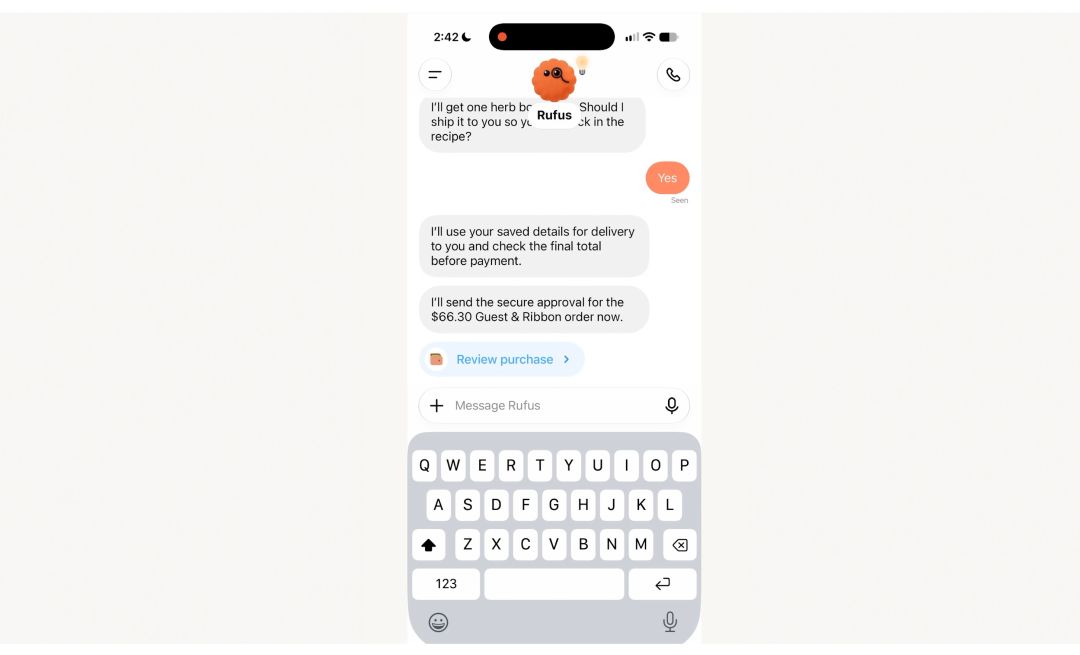
ChatGPT can now shop for you. On 13 November 2026, OpenAI launched ChatGPT Wallet, a payment feature that lets its AI agents, called dots, decide what to buy and then complete the purchase on your behalf. It is one of the biggest steps yet from AI assistants that only give advice to AI assistants that spend real money. Here is what ChatGPT Wallet does, who can use it at launch, how checkout works and what the limits are.
What ChatGPT Wallet Is
ChatGPT Wallet is a payment layer inside ChatGPT that stores your card details once and lets your dot use them to check out at supported stores. The agents doing the shopping are the dots OpenAI has been rolling out across its apps, the same assistants that can browse, compare and now transact.
The idea is to close the last mile of agentic shopping. Until now, an AI assistant could find you the right kettle and then hand you a link to finish the job yourself. With Wallet, the dot can add the item to a cart, fill in shipping details and pay, then report back with the receipt. OpenAI says users stay in control the whole way: you review the items, the total and the payment card before any checkout happens.
Who Can Use ChatGPT Wallet at Launch
Availability is deliberately narrow to start. The launch covers:
- ChatGPT Pro subscribers in the United States only
- Users aged 18 and over
- Cards issued in the US by Visa, Mastercard or American Express
OpenAI says the limited rollout lets the company test and improve the feature before offering it more broadly. If you are on a lower plan or outside the US, Wallet is not available to you yet, and the company has not published a timeline for wider release.
How a Purchase Works Step by Step
The flow is built to be set up once and reused:
- Add your card to ChatGPT Wallet. This is a one-time setup. You do not re-enter payment information every time you buy.
- Ask your dot for help with a purchase. It searches, compares and settles on a recommendation the way it already does.
- Review before checkout. ChatGPT shows you the items, the total and which card will be charged.
- Approve with a security check. Face ID or a fingerprint confirms the purchase and creates a record of the transaction.
- The merchant gets what it needs. Shipping address and contact information flow to the seller to fulfil the order.
The payment details are handled through a payment token, a substitute for your actual card number, so your real card information is not shared with either the dot or the merchant. OpenAI also notes that shoppers still earn their credit card rewards and keep the usual card protections, including the ability to dispute a transaction.
The review screen deserves special attention because it is the checkpoint that makes the whole feature acceptable to cautious users. It shows the exact items in the order, the total amount that will be charged and which saved card will be used, all before the payment is confirmed. OpenAI has framed this as the core safety promise of the feature: the agent can research and prepare everything, but the money only moves after a human looks at the numbers and approves with a fingerprint or face scan. The approval also creates a record of the transaction inside ChatGPT, so there is an audit trail beyond your card statement.
Who Are the Dots
The shopping agents are called dots, OpenAI’s name for the personal AI agents inside its apps. A dot is meant to be a persistent assistant that knows your preferences and can act on your behalf across tasks, rather than a one-off chat window that forgets everything when you close it. In practice, that means your dot can spend time researching a product, shortlisting options and then, with Wallet, finishing the purchase in the same flow. Understanding this matters for the Wallet feature, because the card is stored at the account level while the dot is what decides and transacts within the limits you approve.
Why OpenAI Is Moving Into Shopping
Consumer AI companies are all hunting for the same thing: a task where an assistant saves enough time that people trust it with money. Early numbers are mixed. DoorDash and Uber have reported low numbers of orders placed by AI agents so far. But Meta’s Muse, which now has more than 10 million users, has seen AI-assisted shopping become a top activity on its app, and other personal AI agents like Instinct already support making purchases on users’ behalf.
Shopping is also where the business model gets interesting. An assistant that completes purchases sits closer to commissions, retail partnerships and advertising than one that only answers questions. OpenAI is not alone in that bet, but ChatGPT’s reach gives it a large audience to test on from day one.
Limits, Retailer Pushback and What Comes Next
The feature launches with real constraints beyond the narrow eligibility. Amazon, the largest retailer to block AI agents, bans agents from using its site as it steers shoppers toward its own assistant, Alexa. That single block removes a huge share of everyday shopping from what dots can buy today, and other retailers are weighing similar moves over traffic and data concerns.
OpenAI has two answers to that. First, it published a Commerce Partner Playbook with tools and guidance for sites that want to support customers using agents, essentially a compatibility guide for retailers. Second, it plans to widen the set of supported stores over time.
On the user side, OpenAI says future versions will add spending limits and controls around purchase categories or time periods, letting people pre-approve certain purchases so the agent can handle them more autonomously. Until those controls arrive, every purchase needs your explicit review and biometric approval.
Tips for Using AI Shopping Safely
- Read the total, not just the item. Shipping, taxes and add-ons are where agent-filled carts can drift from your expectations.
- Keep the approval step sacred. The biometric check is the boundary between an assistant that helps and one that overspends. Do not rush it.
- Use one card for agent shopping. A dedicated card makes disputes and statements easier to track while the feature is new.
- Check the merchant before approving. Agents can pick unfamiliar sellers. Confirm the store name and return policy in the review screen.
- Watch your card rewards terms. OpenAI says rewards still apply, but card issuers set their own rules for tokenized transactions, so glance at your statement after the first purchase.
What is ChatGPT Wallet
ChatGPT Wallet is a new OpenAI feature that stores your payment card inside ChatGPT and lets your AI agent, called a dot, complete purchases on your behalf. It launched on 13 November 2026 for a limited set of US users, with review and biometric approval built into every checkout.
Who can use ChatGPT Wallet right now
At launch it is limited to ChatGPT Pro subscribers in the United States, aged 18 and up, paying with a US-issued Visa, Mastercard or American Express card. OpenAI plans broader availability later but has not given dates.
Is ChatGPT Wallet safe
Payments run through a payment token instead of your real card number, so card details are not shared with the agent or merchant. You review the items, total and card before checkout and approve each purchase with Face ID or a fingerprint, and normal card protections like charge disputes still apply.
Can ChatGPT agents buy from Amazon
No. Amazon blocks AI agents from using its site as it promotes its own assistant, Alexa, which makes it the biggest retailer missing from agentic shopping. OpenAI has published a Commerce Partner Playbook to help other retailers support agent purchases instead.
