



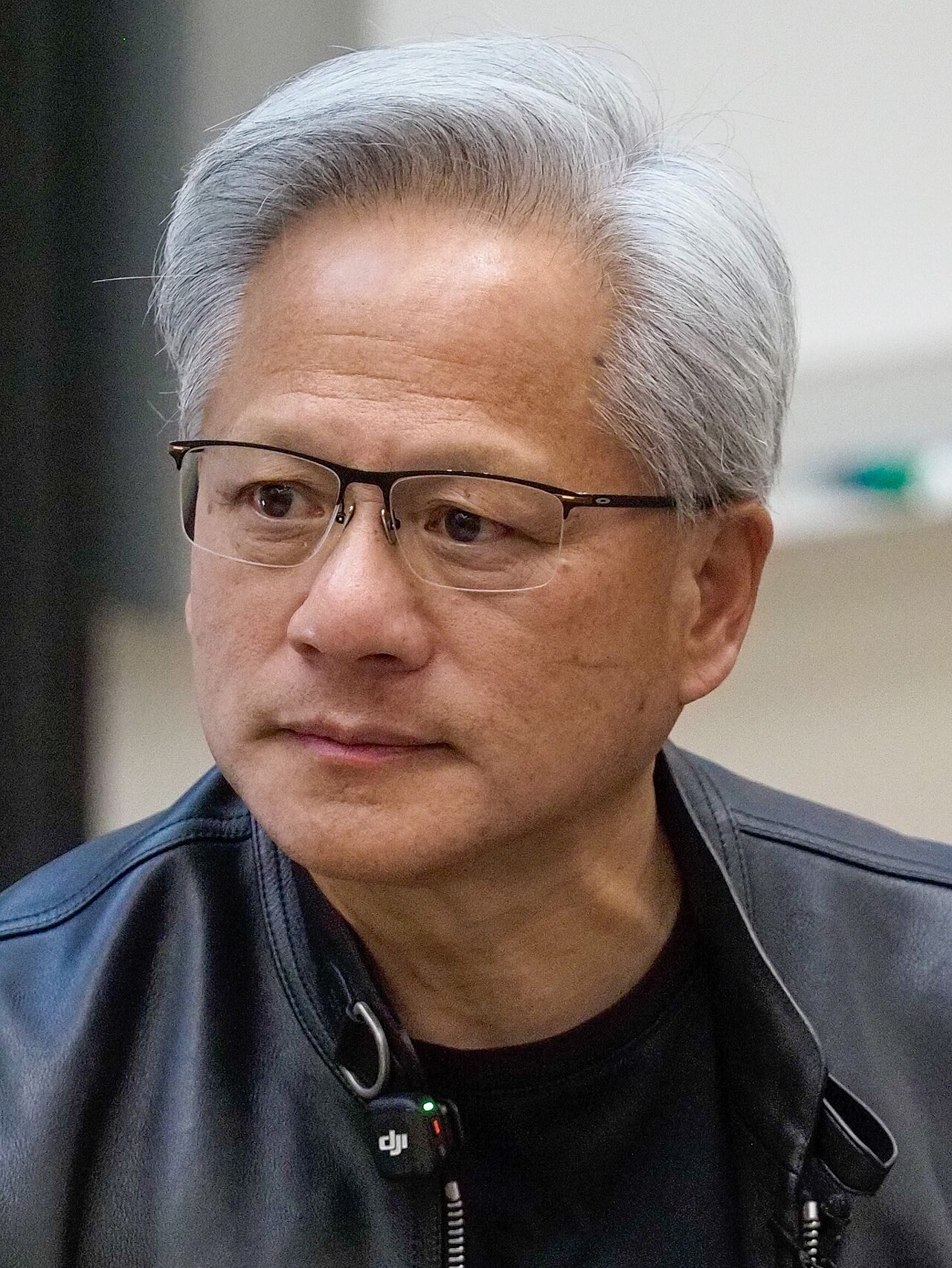
Nvidia’s board had one message on Tuesday evening: the door is closed. Five days after founder Jensen Huang resigned over what the company called personal behaviour inconsistent with its code of conduct, Huang publicly offered to come back as CEO. Chairman Harvey C. Jones used the Q3 earnings call to reject the idea outright, saying the board “does not intend to reinstate Jensen as CEO.” Here is what has happened since the resignation on 12 November, what the SEC probe covers, and what the numbers say about Nvidia without its founder.
What the Board Said on the Earnings Call
Reading from a statement during Nvidia’s third-quarter fiscal 2027 earnings call on Tuesday, 17 November, chairman Harvey C. Jones laid out the sequence:
- On 12 November, after disclosure of personal behaviour inconsistent with the company’s code of conduct, standards and cultural norms, Jensen Huang voluntarily resigned his positions as president, CEO and board member.
- The Nvidia board unanimously accepted the resignation.
- The board does not intend to reinstate Huang as CEO and is evaluating both internal and external candidates for the permanent role.
Interim CEO Colette Kress, who is also Nvidia’s chief financial officer and executive vice president, has been running the company since 12 November while the search continues.
Why Jensen Huang Resigned
The resignation followed revelations about a number of extramarital affairs, including one with a woman who has been accused of being a Chinese intelligence agent. That woman, former Megaspeed executive Alice Huang, has, according to a Wall Street Journal report, maintained close ties to the former Nvidia CEO for years. US intelligence officials have expressed suspicions that she works for China’s Ministry of State Security, according to CNN. Former US President Donald Trump has said the affair did not threaten national security.
The episode has drawn scrutiny on several fronts. Nvidia’s board opened an independent investigation into Huang’s activities, which the company announced on 8 November, before the resignation. The Wall Street Journal has reported that the SEC is probing Nvidia amid the CEO’s departure. Critics have questioned whether the relationship may have influenced Nvidia’s dealings with China, and Ars Technica coverage notes that even Huang’s offer to return drew pointed commentary, with one quoted critic saying “Trump was in bed with Jensen.”
Huang’s own account of the exit is different. In a post on X on Tuesday, the same day the board rejected his return, he wrote that he has “seen an outpouring of calls from Nvidia’s employees, investors, business partners, and customers for me to return as CEO”, adding that “if the Board of Directors decides that my return is in the best interest of our shareholders, our employees, the company, and America, I would be honored to answer these calls and return as CEO.” A petition calling on Nvidia to reinstate Huang, signed by Elon Musk and other tech executives, was reported on 14 November.
The Q3 Numbers Nvidia Did Deliver
While the leadership drama ran in the background, Nvidia’s third-quarter results landed roughly in line with expectations. The Verge’s coverage notes the earnings “hit the mark, without mentioning the whole Jensen Huang thing”. Two parts of the report stand out.
Private investment stakes. Nvidia’s equity in private companies is now worth $65.5 billion, up from the $22 billion reported in January, according to TechCrunch. The company put $16 billion into equities in the past quarter alone and $58 billion over the past nine months of its fiscal year, against $5 billion in the same period a year earlier. By PitchBook’s count, Nvidia has invested in nearly 350 startups over roughly three years, including Anthropic, OpenAI, the neolabs Thinking Machines and Reflection, and neoclouds Lambda, Nscale and Crusoe.
Financing commitments. Nvidia reported $118 billion in guarantees, $105 billion of which is the backstop it supplied for OpenAI’s $500 billion data center in Ohio, as per TechCrunch’s breakdown.
What Changes Under Colette Kress
The strategic question for the AI startup world is whether Nvidia keeps writing those checks without Huang, whose aggressive dealmaking drove the portfolio build-out. Kress signalled a more disciplined posture on Tuesday’s call:
- Nvidia will continue providing financing assistance to strong customers, but “as the market matures and additional sources of capital become available”, the company will be “rigorously evaluating future investments, commitments, and guarantees.”
- “We intend to return all excess free cash flow net of strategic uses to shareholders during this last quarter and going forward,” Kress said.
Investors quoted by TechCrunch expect Kress to be more selective with new startup investments and to write smaller checks into existing portfolio companies. Venture capitalists are reportedly bracing for a meaningful pullback in capital, after Huang’s departure blew a hole in AI startup funding expectations.
Beyond the balance sheet, two other shifts are visible in the week’s coverage. TechCrunch reports that Nvidia is effectively abandoning China after Huang’s ouster, a market where his relationships were a strategic asset. And Nvidia has said its open source AI strategy remains intact, an attempt to reassure the developer ecosystem that the changes at the top do not rewrite the roadmap.
Timeline: How the Week Unfolded
- 8 November: Nvidia announces its board has opened an independent investigation into Huang’s relationship with a possible Chinese spy.
- 12 November: The board announces Huang’s voluntary resignation as president, CEO and board member. CFO Colette Kress is named interim CEO the same day.
- 13 November: Venture capitalists and founders tell TechCrunch the departure blasts a big hole in AI startup funding.
- 14 November: Elon Musk and other tech execs sign a petition calling on Nvidia to reinstate Jensen Huang.
- 16 November: Coverage builds around the questions Nvidia is expected to face on its earnings call.
- 17 November: Huang posts on X that he would be “honored” to return. Nvidia reports Q3 results, the board rejects a return, and the $65.5 billion portfolio figure lands.
What to Watch Next
- The CEO search. The board is looking at internal and external candidates. Kress is the obvious internal option but has not been confirmed as a candidate.
- The SEC probe. The Wall Street Journal reported the investigation is ongoing. Its scope has not been made public.
- Startup funding. The next quarter’s investment numbers will show whether the $58 billion nine-month pace was a Huang signature or an Nvidia habit.
- China. Nvidia’s exit from the Chinese market, if confirmed in the coming quarters, would remove a long-running source of both revenue and political scrutiny.
Frequently Asked Questions
Why did Jensen Huang resign from Nvidia?
Jensen Huang resigned on 12 November 2026 after disclosure of personal behaviour inconsistent with Nvidia’s code of conduct, according to the board’s statement. Reporting by the Wall Street Journal and CNN links the resignation to an affair with former Megaspeed executive Alice Huang, who has been accused of being a Chinese intelligence agent, a claim that has not been proven in court.
Will Jensen Huang return as Nvidia CEO?
Not according to the board. Chairman Harvey C. Jones said on the 17 November earnings call that the board unanimously accepted Huang’s resignation and does not intend to reinstate him. Huang said on X that he would be “honored” to return if the board decided that was in the company’s best interest.
Who is Nvidia’s CEO right now?
Colette Kress is serving as interim CEO. She is also Nvidia’s chief financial officer and executive vice president, and has been in the interim role since 12 November 2026 while the board searches for a permanent replacement.
Is the SEC investigating Nvidia?
The Wall Street Journal has reported that the SEC is probing Nvidia amid the departure of CEO Jensen Huang. Nvidia’s board has also opened its own independent investigation into Huang’s activities, announced before the resignation.
