



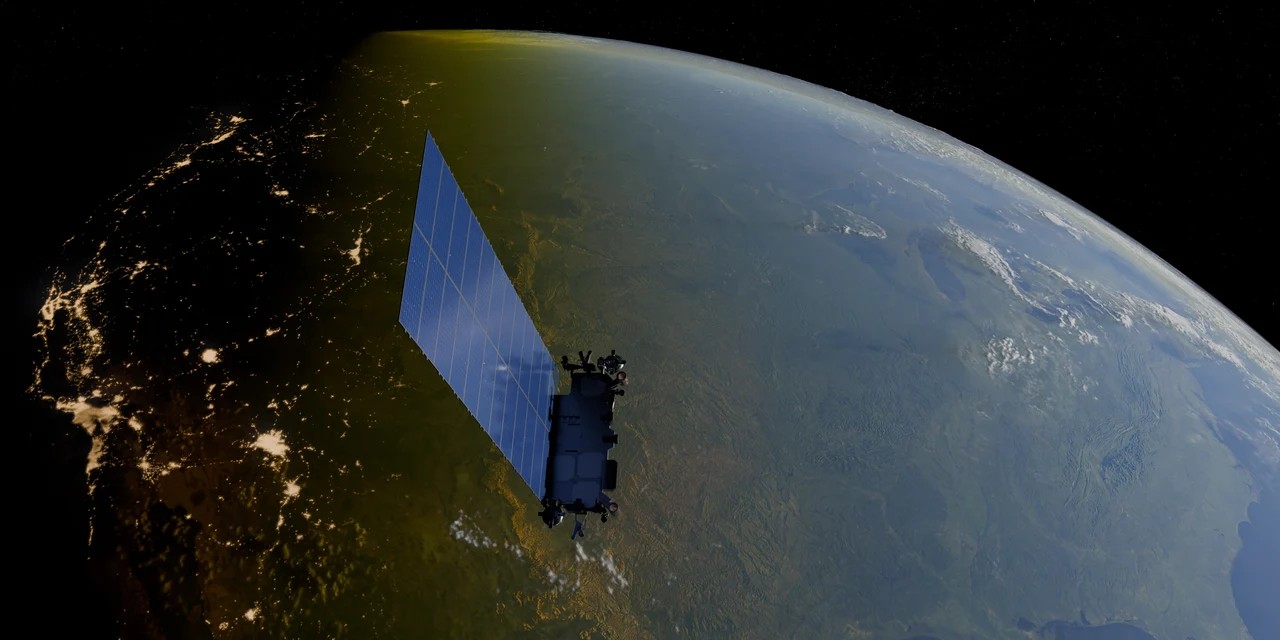
SpaceX just got conditional approval to build data centers in orbit. On November 25, the Federal Communications Commission authorized the company to deploy and operate a constellation of up to 1 million satellites for its orbital data center business, over objections from Amazon, Viasat and the American Astronomical Society. It is a regulatory win for Elon Musk’s plan to move AI computing off the ground, but the hard part is only starting. Here is what the FCC approved, what the satellites called Starmind will do, and why the economics are still brutal.
What the FCC Approved
The authorization covers a constellation of up to 1 million satellites for orbital data centers, with the spacecraft operating at altitudes between 500 and 1,002 kilometers. The approval also lets SpaceX use radiofrequency communications to keep in contact with, and control, its orbital data centers from Earth if their primary communications systems fail. Primarily, the Starmind satellites would communicate using lasers, connecting with each other and with SpaceX’s Starlink network.
The FCC gave SpaceX a long leash on timelines: seven years to get the first operational satellite into orbit, and 14 years to deploy the entire constellation. That matters, because nothing about this project is close to launch-ready. As FCC Chair Brendan Carr said in a statement, the action “opens a bold new frontier for the computing infrastructure needed to power America’s leadership and growth.” Musk thanked Carr in a post on X, writing “Much appreciate. This will be a great asset to America and the world.”
Who Objected and Why
Amazon, which is building its own competitor to Starlink, argued in a petition that the application lacked basic details and described it as a “lofty ambition rather than a real plan” while also warning it “risks real harm.” The American Astronomical Society and Viasat flagged concerns about orbital debris and congestion, radiofrequency interference, and environmental consequences. The FCC dismissed several of the key objections, including potential threats to scientific research, on the grounds that they fell outside the agency’s regulatory authority.
That dismissal does not close the subject. One major regulatory gap remains: the FCC has not yet approved SpaceX’s plans for handling orbital debris from satellites operating above 600 kilometers. SpaceX has asked for a waiver of the existing rule that requires satellites ending their missions below 2,000 kilometers to reenter Earth’s atmosphere within five years. The company is interested in moving retired satellites into other orbits around Earth or even around the sun, according to the FCC authorization document.

Why AI Data Centers Want to Leave Earth
The pitch is straightforward. AI training and inference need enormous amounts of power and cooling, and on Earth both are getting harder to secure. Power grid connections take years to obtain, water for cooling is contested in dry regions, and local opposition to big data center projects is growing. Orbit offers uninterrupted solar power, radiative cooling into the vacuum of space, and no neighbours complaining about noise.
Space-based computing also sits closer to the global satellite internet that already exists. With Starlink and its laser mesh, a data center in orbit could serve compute to any ground station the network reaches, without laying a single cable. The Starmind constellation is explicitly designed around that advantage: the satellites talk to each other and to Starlink with lasers, and the radiofrequency link the FCC approved is only the fallback for when those primary systems fail. In theory, an AI workload could run on a satellite and deliver results to a phone on the other side of the planet through the same mesh that already carries its internet traffic.
Why the Economics Are Brutal
This is the part the approval does not solve. Reporting from TechCrunch earlier this year laid out the numbers problem: the cost of manufacturing and launching satellites has to drop dramatically before orbital compute can compete with ground-based data centers, and a launch cost per kilogram that makes sense for communication satellites does not automatically make sense for racks of GPUs.
Cooling is a second problem. Space is cold, but it is cold in a vacuum where heat only leaves through radiation. High-power processors generate heat faster than passive radiative panels can dump it, which means active cooling systems that add mass, cost and failure points. Then there is the chip financing question: semiconductors can survive the space environment, but underwriting expensive AI accelerators that are blasted into orbit and cannot be repaired in person is a risk profile lenders are still working out.
Replacement cycles are the quiet killer. A GPU on the ground is swapped in minutes. The same chip in orbit is either deorbited or left to decay, and the constellation has to keep launching new hardware to stay current with AI model demands that change every year.
What Happens Next
- Debris rules: SpaceX still needs FCC sign-off on its debris handling plan for satellites above 600 kilometers, including the waiver request around the five-year reentry rule.
- First satellite: the company has seven years to get an operational Starmind satellite into orbit under the approval.
- Full constellation: all 1 million satellites, if they happen, must be deployed within 14 years.
- Technical demos: expect early missions to test laser inter-satellite links, thermal management under AI loads and radiation effects on accelerators long before any commercial compute is sold.
Key Numbers From the Approval
- Up to 1,000,000 satellites authorized for the orbital data center constellation.
- 500 to 1,002 km operating altitude range for the Starmind satellites.
- 7 years to get the first operational satellite into orbit.
- 14 years to deploy the full constellation.
- Laser-first communications, with radiofrequency fallback control links from Earth approved as backup.
- One open question: debris handling rules for satellites above 600 km, including SpaceX’s waiver request on the five-year reentry requirement.
For cloud computing watchers, the practical takeaway is simple. Orbital AI data centers are now a permitted idea rather than a hypothetical one, but they will arrive, if at all, as slow incremental launches over the next decade, not as a single service you can buy next year. Ground-based data center shortages in 2027 and 2028 will still be solved the boring way: more turbines, more grid deals and more land.
FAQ
What is SpaceX Starmind?
Starmind is the name for SpaceX’s planned constellation of satellites designed to host AI data centers in orbit. The FCC authorized up to 1 million satellites operating between 500 and 1,002 kilometers altitude, communicating mainly through lasers and connected with the Starlink network.
Did the FCC really approve data centers in space?
Yes, conditionally. On November 25, 2026, the FCC granted SpaceX authorization to deploy and operate its orbital data center constellation, while dismissing objections from Amazon, Viasat and the American Astronomical Society on jurisdictional grounds. Debris handling rules above 600 kilometers are still unresolved.
When will SpaceX data centers in space actually launch?
There is no launch date yet. The FCC approval gives SpaceX seven years to place the first operational satellite in orbit and 14 years for the full constellation. Major cost, cooling and chip financing challenges remain before any orbital compute becomes commercial.
Why put AI data centers in orbit at all?
Space offers continuous solar power, radiative cooling and freedom from land, grid and water constraints on Earth. Combined with laser-linked satellite internet, orbital compute could serve global demand without ground infrastructure, but launch costs and hardware maintenance remain the big obstacles.
