




Black Friday shopping usually means tabs, price trackers, and a lot of scrolling. This year, Walmart wants an AI agent to do that work for you. On November 24, Walmart announced that its Black Friday deals can now be shopped through Muse, Meta’s AI assistant. Shoppers can ask Muse to find products, compare options, and build a cart at Walmart without opening the retailer’s website at all. It is one of the clearest signs yet that AI agents are becoming a real sales channel, and not just a demo.
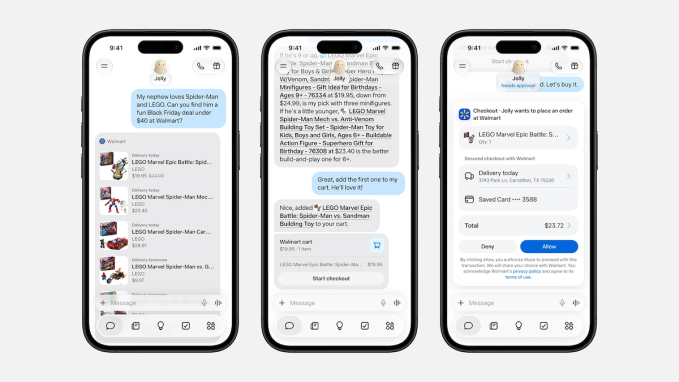
How Shopping Walmart Deals in Muse Works
The flow is deliberately simple. You open the Muse app, sign in to your Walmart account, and go back to the assistant. Then you just talk to it.
- Ask for a specific product, like a 65-inch TV under a set budget
- Ask Muse to compare options across brands
- Ask it to track down Black Friday deals on your list
Once a request is made, Muse passes it to Walmart, which returns relevant products and helps build the shopping cart. The actual purchase still runs through Walmart’s own checkout, which keeps the transaction on familiar ground.
The announcement also draws a sharp line between Walmart and Amazon. Amazon has spent 2026 blocking third-party AI agents from making purchases for customers, and earlier this year it was reported that Meta’s own agent had been blocked from using Amazon.com. Walmart is going the other way, opening its store to outside agents and making that openness a selling point.
Privacy and Control: What Muse Can and Cannot See
Letting an AI agent loose on your shopping account raises obvious questions, and Walmart has spelled out its answers:
- Muse does not get access to your Walmart shopping history or other personal information
- Shoppers can set spending limits for the agent
- You can require approval before any purchase goes through
- Every order placed by the agent can be reviewed after the fact
- You can delete your agent’s profile whenever you want
For anyone trying agentic shopping this is the right checklist: start with a low spending limit, keep approval on, and review the first few orders closely.
Walmart Agent Gateway: The Bigger Strategy
Muse is just the first tenant. The experience is powered by Walmart’s Agent Gateway, a system launched in October 2026 that lets outside AI assistants connect directly to Walmart’s online store. Walmart says it plans to open the gateway to more developers and AI platforms, which means Muse could eventually be one of several assistants shopping the store on your behalf.
Instacart has also recently joined forces with Muse for grocery shopping, so the agent is collecting retail partners quickly. Meanwhile Walmart keeps upgrading its own shopping assistant, Sparky, with features like turning handwritten lists into carts, photo and voice search, an in-store aisle finder, and a “Flash Price Tag” button that lights up the shelf label in the shop.
The Shopper’s Playbook for Agent Shopping This Week
Agent shopping is new enough that a little caution pays off. If you plan to hunt Black Friday deals through Muse, keep this checklist handy:
- Start with a written list. Agents work best with clear requests. “A 55-inch TV under Rs 40,000 with good speakers” beats “show me TVs”
- Set a hard spending limit before you browse. It is the simplest guardrail Muse offers, and it keeps a bad recommendation from becoming an expensive one
- Keep approval mode on. Letting the agent build the cart while you press buy keeps you in control without giving up the convenience
- Verify the final cart against Walmart.com. Prices move fast during Black Friday week. Make sure the deal Muse found is the live price
- Use the comparison feature for big-ticket items. Asking Muse to compare three or four finalists is where the time saving actually shows up
None of this is risky if you keep those guardrails. The technology is simply a faster front end for the same Walmart store, the same prices, and the same checkout.
What This Means for Digital Marketers
If agents become a shopping surface, discovery changes. Shoppers are no longer scanning ten blue links or a grid of sponsored products. They are asking one assistant for one recommendation. A few practical shifts to plan for:
- Product data quality is now distribution. Agents read structured data, specs, and prices. Clean, complete product feeds decide whether you appear in an agent’s shortlist
- Comparison happens before your page loads. If your differentiators are buried in images or marketing copy, an agent will never see them. Put key specs and price in text
- Reviews and ratings carry weight. Agents summarise sentiment. A pattern of complaints about, say, battery life will follow the product into every recommendation
- Ad platforms will follow the agents. Walmart’s retail media network is already a major ad business. Expect sponsored placements inside agent-driven carts before long
- Watch the gateway, not just the app. When Walmart opens Agent Gateway to more platforms, your product data will surface across many assistants at once
For shoppers, the tip is simpler: try Muse on a small purchase first, verify that the cart and price match what you would see on Walmart.com, and keep purchase approval switched on through Black Friday week.
FAQ
How do I shop Walmart Black Friday deals with Meta Muse?
Open the Muse app, sign in to your Walmart account inside the assistant, and ask for what you want. Muse sends your request to Walmart, returns matching products, and helps build a cart. The purchase completes through Walmart’s checkout.
Can Meta Muse see my Walmart purchase history?
No. Walmart says Muse does not get access to your shopping history or other personal information. You can also set spending limits, require approval before purchases, review agent orders, and delete the agent’s profile at any time.
What is Walmart Agent Gateway?
It is a system Walmart launched in October 2026 that lets outside AI assistants connect directly to its online store. Muse is the first major partner, Instacart has joined for groceries, and Walmart plans to open it to more developers and AI platforms.
Why is Walmart letting AI agents shop while Amazon blocks them?
The two retailers are betting on opposite models. Amazon blocks third-party agents from purchasing on customers’ behalf, while Walmart is embracing agent-mediated shopping and treating it as a new sales channel ahead of Black Friday.
