



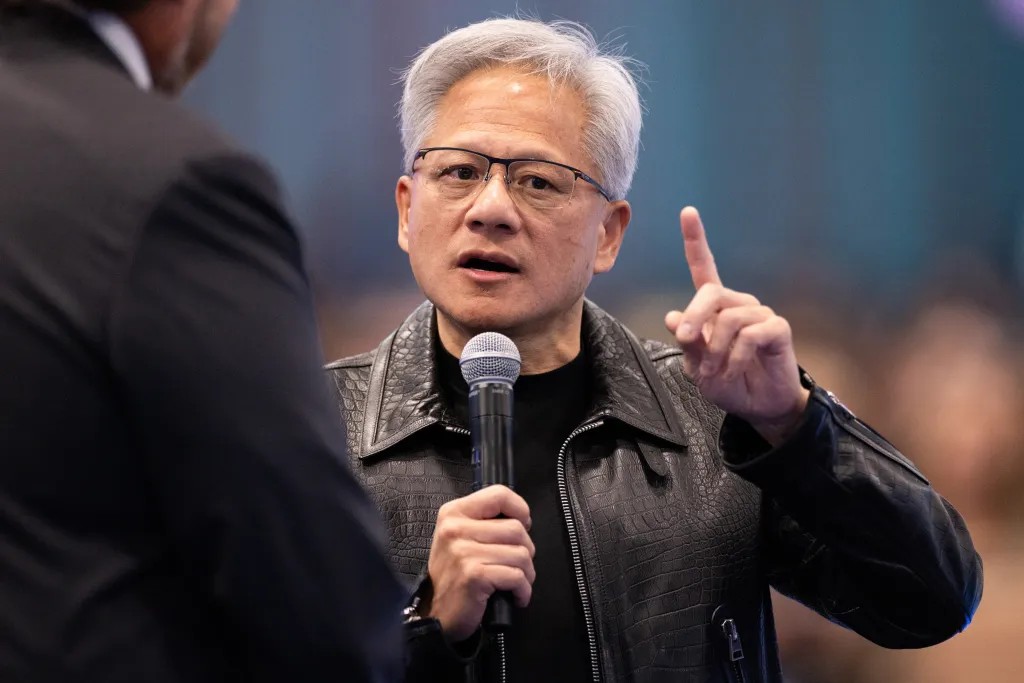
On Sunday, 8 November 2026, Nvidia’s board of directors announced an independent investigation into founder and CEO Jensen Huang, following reports that he was the target of a foreign intelligence effort. It is the most serious corporate crisis in the company’s history, and it combines a national security question with a personal one. Here is what has been reported, what the board actually said, and what happens next.
What the Nvidia Board Said
The board’s statement, published on Nvidia’s newsroom, is careful and specific:
“The NVIDIA Board is initiating an independent investigation in light of recent reporting that founder and CEO Jensen Huang has been the target of a foreign intelligence effort. A committee of independent directors, assisted by outside independent counsel, will oversee the investigation.”
The statement also draws a line the company wants on record: the board says it has “no reason to believe that either national security or NVIDIA secrets were compromised”, while noting that the inquiry will examine all available information. It adds that Jensen Huang fully supports the review and has committed to cooperating, and that the board “has confidence in Jensen and his leadership team”.
Separately, Huang sent a memo to Nvidia employees on the same day acknowledging that he had been unfaithful to his wife. “I owe my family and all of you an apology,” the memo says, calling his own actions inexcusable. The full text of the memo was published by The Verge.
Who Is Alice Huang and What the Reports Say
The reporting that triggered the investigation runs across several outlets, and the claims should be attributed carefully:
- The New York Times reported in late October that Jensen Huang had developed a “close relationship” with Alice Huang, an executive at Megaspeed, a Singapore-based company. The newspaper first reported on an intelligence memo about the matter on 6 November 2026.
- The Financial Times reported that the memo, said to be based on US intelligence, claims Alice Huang was recruited by China’s Ministry of State Security to spy on the Nvidia CEO, and that the two had a romantic relationship.
- An Nvidia spokesperson told the Times that Huang’s interactions with Alice Huang were “not unusual” and that the company does not share classified information with its customers.
- US officials believe, according to the reports, that she was feeding information back to Beijing.
None of the espionage claims have been proven publicly, and the investigation is exactly the process meant to test them. What is confirmed is the relationship itself, which Huang acknowledged in his memo, and the board’s decision to investigate.
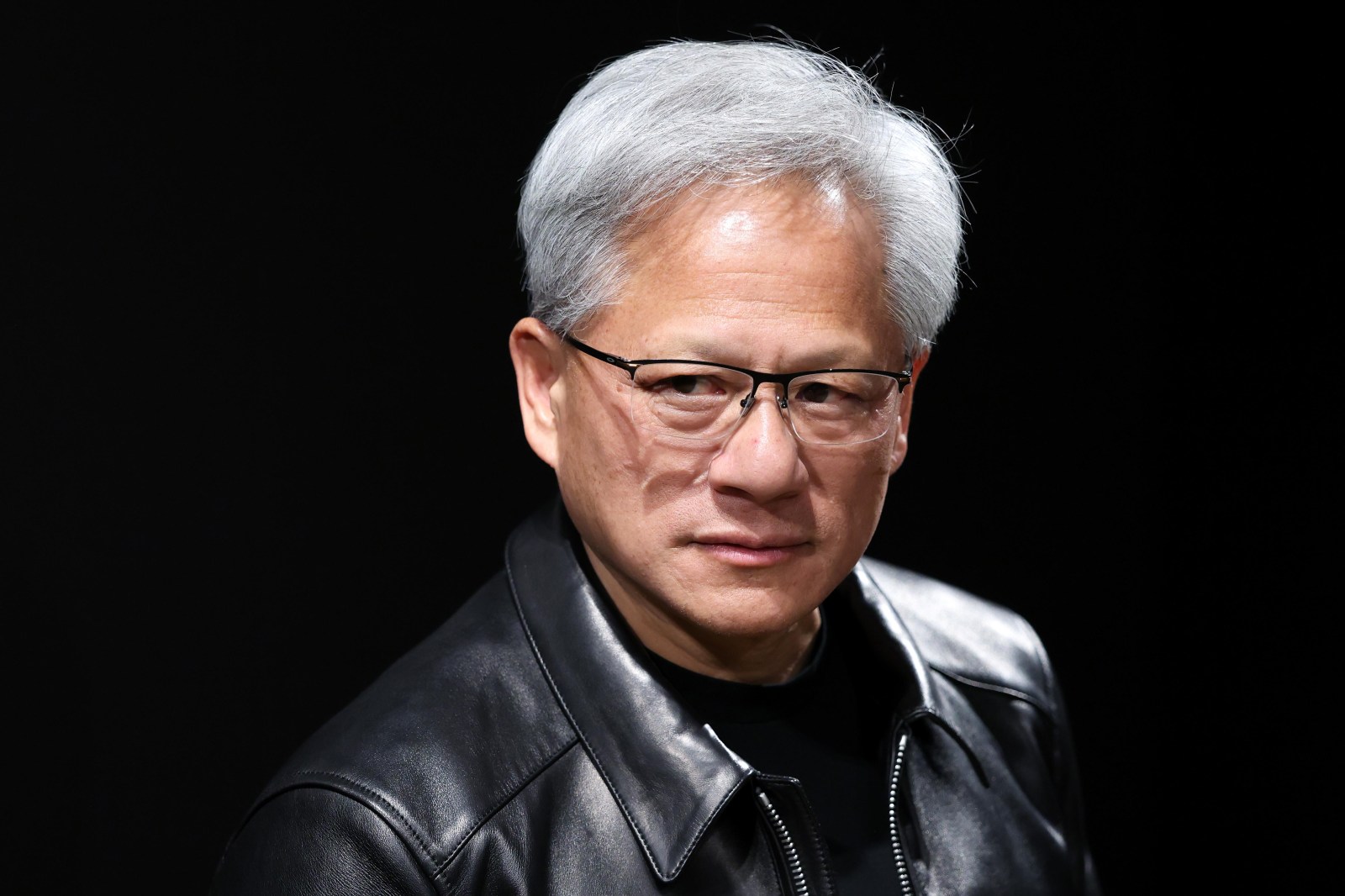
Why Megaspeed Matters to Washington
Megaspeed is not a random name in this story. It is an Nvidia customer and the subject of a US Commerce Department investigation into whether it smuggled AI chips to China. Nvidia’s accelerators are treated as strategic technology by Washington, and both the Biden and Trump administrations restricted their sale to Chinese firms.
The wider chip-export picture adds context:
- Nvidia’s most powerful chips remain barred from Chinese firms, and the Commerce Department must approve individual companies to handle them.
- A separate New York Times report examined New Matrix, a Chinese company that US authorities authorized to buy advanced Nvidia chips. Reporters who visited the listed office address found, in their words, “a hollow gray shell”, raising questions about whether it is a front for a blacklisted private equity firm.
- Jensen Huang’s own closeness to the Trump administration, including state dinner attendance, has raised questions in Washington about what insight into AI policy deliberations he may have had, and whether any of it could have reached Beijing.
Against that backdrop, a relationship between the CEO of the most important AI chipmaker and an executive at a company accused of chip smuggling is exactly the kind of entanglement a board has to examine.
The practical question for the industry is what this means for Nvidia’s business. The company’s customer relationships run through approved channels, and its export licences depend on compliance rather than personalities. That is why the board’s framing matters: the review is about whether information moved where it should not have, not about the chip roadmap. Still, any finding that touches export controls would land in front of the Commerce Department as well, and the company’s stock and partner conversations will track every update.
Timeline: How the Story Unfolded
- 29 October 2026: The New York Times reports that Jensen Huang developed a “close relationship” with the Megaspeed executive, and that US officials see the company as a chip-smuggling concern.
- 6 November 2026: The Times reports on the existence of a US intelligence memo about the matter.
- 7 November 2026: The Financial Times reports that the memo claims a romantic relationship and describes Alice Huang’s recruitment by China’s Ministry of State Security. TechCrunch and others report the memo’s contents, and Nvidia responds that Huang’s interactions were “not unusual”.
- 8 November 2026: Nvidia’s board announces the independent investigation, Huang’s memo to staff is published, and Bloomberg reports his admission of infidelity.
- 8 November 2026: Yale’s Jeffrey Sonnenfeld gives the CEO’s survival odds as “about 50-50”.
What Happens Next
A committee of independent directors, working with outside independent counsel, will run the inquiry. The likely steps and open questions:
- Fact finding. The committee will review communications and internal records and decide whether company secrets or export-controlled information moved outside Nvidia.
- Regulatory parallel. The Commerce Department’s Megaspeed investigation runs independently of the board’s review.
- Leadership decision. Yale School of Management’s Jeffrey Sonnenfeld told TechCrunch that Huang’s odds of keeping his job are, in his estimate, “about 50-50”.
- Succession question. Nvidia has deep leadership, but Huang is also the company’s chief product visionary and public face.
So far there is no sign of a customer or partner exodus, and the board has publicly backed its CEO while the review runs.
Tips
- Read the primary statement before the headlines. Nvidia’s board statement and Huang’s memo are both public, and they are narrower than most coverage.
- Watch the two investigations separately. The board review is about corporate governance and secrets; the Commerce Department case is about export controls. One can conclude without the other.
- Business customers should track export rules, not gossip. If you buy Nvidia hardware through partners, the approvals regime matters more than the personnel story.
- Investors should watch for board updates. The statement promises further updates “as appropriate”. Independent counsel findings usually set the timeline.
- Keep the two claims apart. The personal conduct is confirmed and apologized for; the espionage claims come from an intelligence memo and remain unproven.
FAQ
Why is Nvidia investigating Jensen Huang?
Reports in the New York Times and Financial Times say an intelligence memo claims Huang was the target of a foreign intelligence effort involving Megaspeed executive Alice Huang. The board opened an independent investigation on 8 November 2026 to examine the reporting.
Who is Alice Huang?
She is an executive at Megaspeed, a Singapore-based Nvidia customer that is under US Commerce Department investigation over allegations of smuggling AI chips to China. Reports say US intelligence believes she was recruited by China’s Ministry of State Security.
Has Jensen Huang responded?
Yes. Huang sent a memo to Nvidia employees apologizing to his family and colleagues and acknowledging the relationship, and the board says he fully supports the investigation and will cooperate.
Were Nvidia’s AI chips or secrets compromised?
The board says it has no reason to believe national security or Nvidia secrets were compromised, but the inquiry will examine all available information. The question is exactly what the investigation is meant to answer.
